 YAPPIE
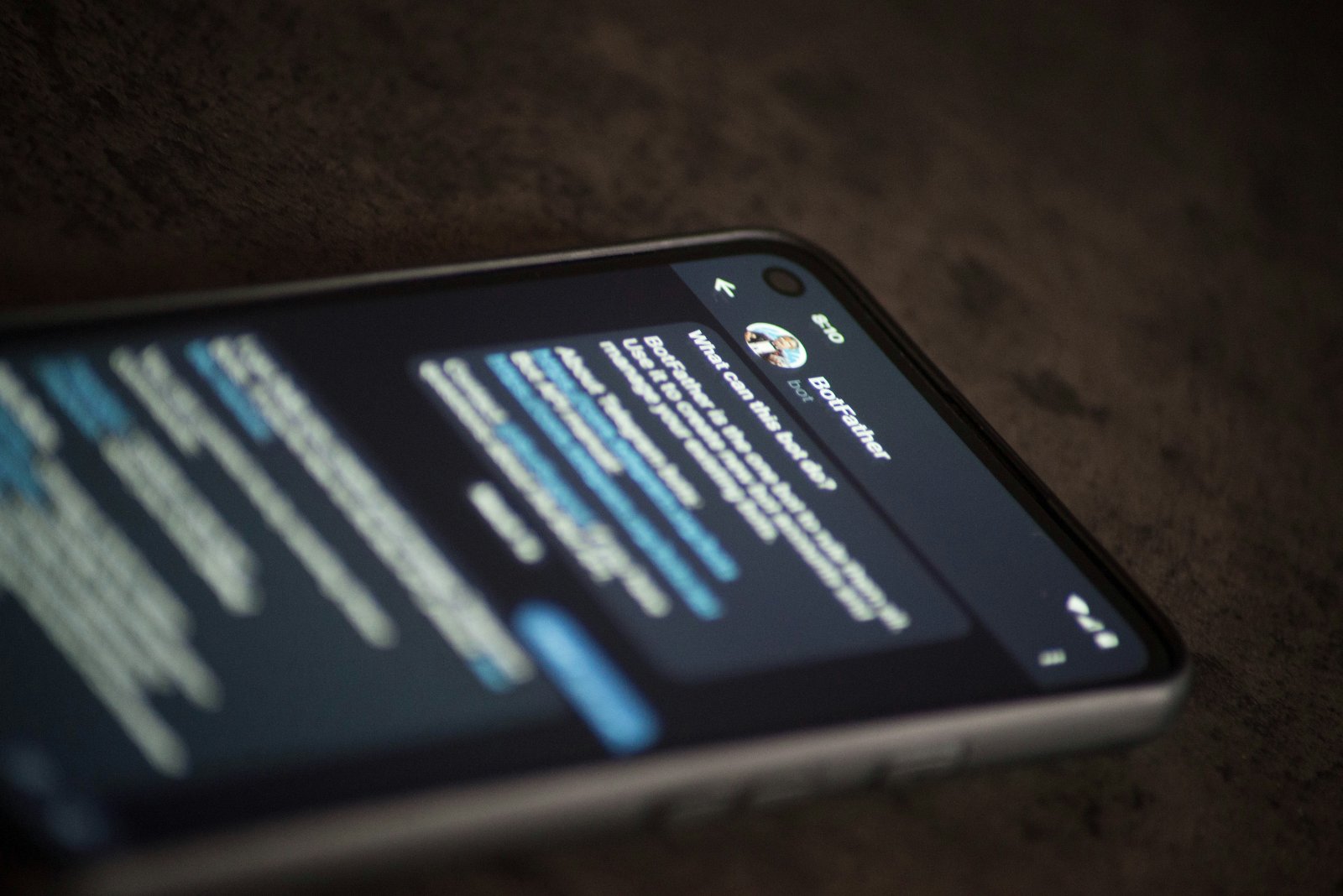
The word “bots” in the context of earning money hides two opposite things. The first is developing bots on commission, that is, a full-fledged service with real rates. The second is bots that supposedly pay you for viewing ads and completing tasks. The difference between them is approximately a hundredfold, so let’s examine both with figures.
How Much Do Bots Pay for Completing Tasks?
Let’s start with what most people are looking for, since the query is usually formulated in exactly this way. Simple tasks such as subscribing to a channel pay approximately 50 kopecks per action. According to estimates from industry publications, the maximum you can expect when working with several such bots at once is approximately UAH 150–200 per day, and tasks periodically run out, leaving you simply waiting for new ones. Other sources give an even more modest estimate, namely approximately UAH 20–30 per day from ten bots running simultaneously. Let’s calculate honestly. Even under the optimistic scenario of UAH 200 per working day, this amounts to approximately UAH 4,000–5,000 per month for full-time work. For context: the minimum wage in Ukraine is approximately UAH 8,647, while the median salary advertised in job vacancies is approximately UAH 27,500. In other words, this option pays approximately five times less than the lowest legal wage, provided that you spend a full working day on it.
Why Does This Exist at All?
It is useful to understand the mechanics because they explain the income ceiling. The client pays for artificial inflation, that is, for making their channel look more popular. The value of a single subscription from a random person who subscribed for 50 kopecks and will unsubscribe tomorrow is close to zero. That is precisely why no one can pay more, and no amount of increased effort will raise this ceiling. The second part of the mechanics is that such bots often serve as a storefront for something else. Typical scenarios look like this: you are credited with small amounts, but you can withdraw them only after reaching a threshold that keeps moving further away. Or you are offered the option of speeding up the withdrawal for a small fee. Or you are asked for your card details to withdraw the money. I wrote in detail about the mechanics of such schemes in an article about earning money online, and the signs are the same there.
Now for the Other Side of the Topic
Developing bots on commission is a real profession with real rates, and the figures here are two orders of magnitude different. Here are the current prices on the Ukrainian market. A simple informational bot with answers to frequently asked questions, contact details, and an application form costs approximately $300 and up, or UAH 12,000 and up, and takes 3–5 days to build. A sales bot with a funnel and payment functionality costs approximately $500 and up and takes 7–14 days to build. A restaurant bot with a menu, shopping cart, and payment functionality costs approximately $600 and up. A bot integrated with a customer management system costs approximately $800 and up and takes 14–21 days to build. A complex bot with several managers and analytics costs approximately $1,500 and up and takes 3–4 weeks to build. In hryvnia terms, specialized studios quote a range of approximately UAH 12,000–40,000, depending on the complexity of the scenarios and integrations. On freelance marketplaces, the range is wider: offers start at approximately UAH 500–1,000 for the simplest jobs and reach UAH 15,000, while the average service cost in the category is approximately UAH 4,660.
What Explains This Price Range?
The difference between UAH 1,000 on a marketplace and UAH 25,000 at a studio is not a markup for the brand. The cheaper option usually means a bot built with a no-code platform, without access to the code, hosting, support, or integrations. Developers themselves describe the practical consequence for the client: if a bot is built with a no-code platform without access to the code, adding new capabilities is often more expensive than rewriting it from scratch. For the service provider, this creates a choice. Working on a marketplace for UAH 1,000–5,000 means operating in a market where you compete on price with dozens of people doing exactly the same thing. Working with a business for UAH 15,000–40,000 means operating in a market where you sell not a bot, but a problem solved.
Where the Real Money Is in This Profession
One-time development is only the first part of the income. Hosting and maintenance provide recurring revenue. According to specialized studios, maintaining a simple bot costs approximately UAH 400 per month, while a bot connected to an artificial intelligence model costs approximately UAH 5,000 per month. Consider what this means. Ten clients receiving maintenance for a simple bot generate UAH 4,000 every month without additional work, which is the same amount as a full month of completing tasks in bots. Further development is the second source of income because businesses almost always want to add features after launch. Ready-made solutions for a specific niche are the third: you build a bot for beauty salons or delivery services once and sell it to many clients with adaptations.
Where the Market Is Heading
It is worth taking into account a change that is already taking place. A conventional bot follows a predefined script and, according to developers’ estimates, handles approximately 60% of customer inquiries, meaning the remaining inquiries still reach a live manager. Solutions connected to a language model handle approximately 85–90% of inquiries, and they cost from UAH 25,000 for a simple solution and from UAH 80,000 for a complex one. The first-year calculation looks like this: a conventional bot costs approximately UAH 29,800, while a hybrid solution costs approximately UAH 56,600, and the second handles one-third more inquiries. For a service provider, this means that the ability to connect language models to bots is now what distinguishes a rate of UAH 12,000 from a rate of UAH 35,000 for the same number of working days.
Do You Need to Know How to Program?
For simple bots, formally, no, because no-code platforms exist. But this is precisely where the boundary between the two markets lies. Bots built with no-code platforms sell for UAH 1,000–5,000, and competition in this segment is at its highest. Bots with code, integrations, and connections to external services sell for UAH 15,000–40,000, and this is the direction worth moving toward if you are considering it as a profession rather than a one-time side job. A basic level of proficiency in one programming language is enough to get started, and this is a significantly lower entry barrier than in most areas of software development.
How to Start Getting Clients
Build two or three bots for yourself or people you know so that you have something to show. Describe them as case studies with a problem and a solution, rather than as a list of features. Use freelance marketplaces to get your first reviews, understanding that this is a temporary stage with low rates. At the same time, reach out directly to small businesses, since competition is lower and project fees are higher there. Sell not the bot, but the problem solved, such as reducing the time spent processing applications or accepting orders around the clock. Include hosting and maintenance in your offer from the outset, since these provide recurring revenue. Register your entrepreneurial activity once you start receiving regular payments.
Summary
Completing tasks in bots generates approximately UAH 20–200 per day for full-time work, or approximately five times less than the minimum wage, and the ceiling is determined by the mechanics themselves, since the client pays for artificial inflation whose value is close to zero. Developing bots on commission generates approximately UAH 12,000–40,000 per project lasting from several days to several weeks, meaning the difference between the two meanings of the word “bots” is approximately two orders of magnitude. And the most important point for those choosing the second path: one-time development accounts for only half of the income, since hosting and maintenance provide recurring revenue, and ten clients receiving maintenance generate as much as a full month of completing tasks.
Sources
Bot development prices according to Ukrainian studios Infinite Union and Sudus Team as of 2026, data from the Kabanchik service marketplace on the average cost in the category, and industry estimates of income from completing tasks in bots. The comparison with the minimum and median wages was performed by the editorial team.