 YAPPIE
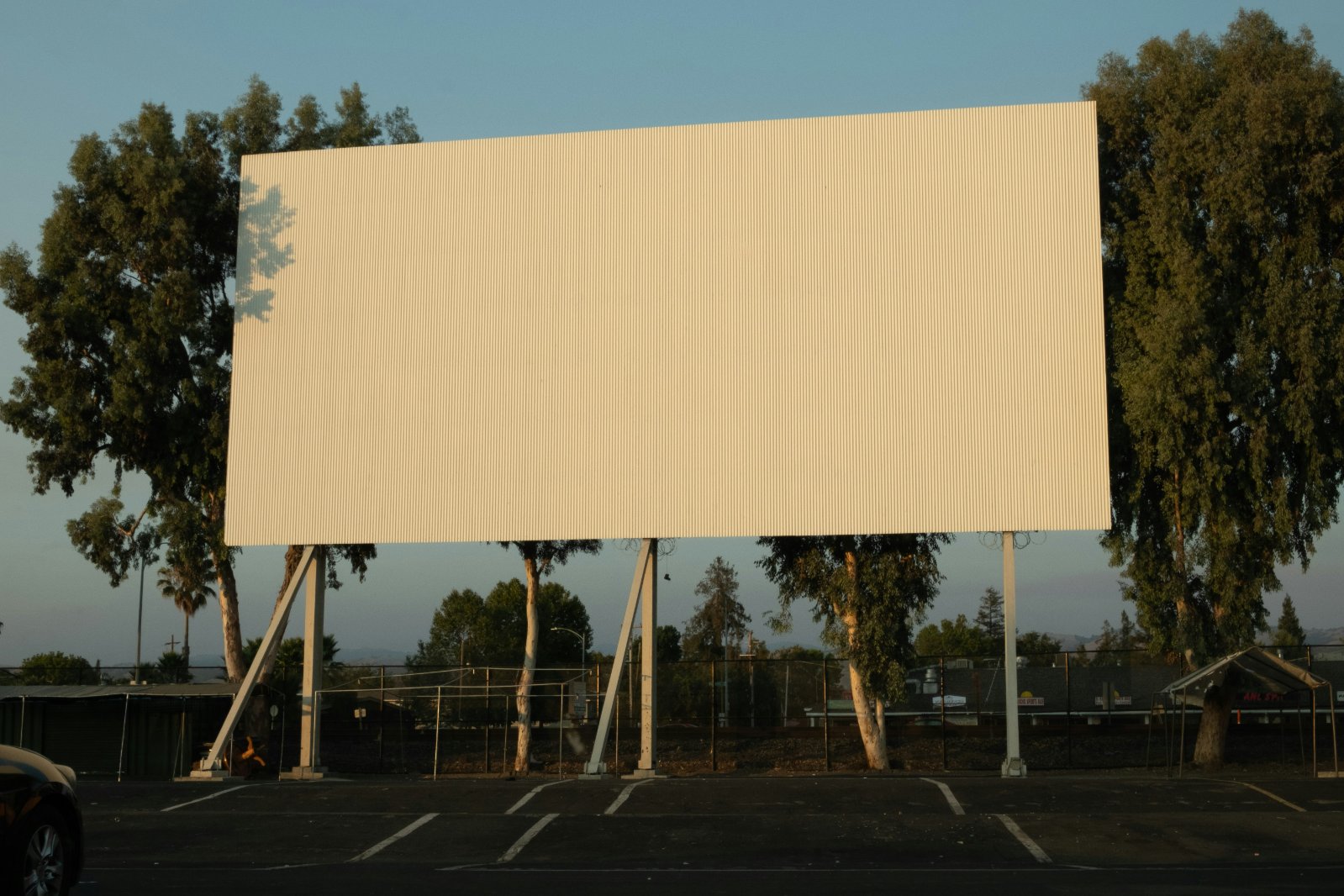
Unlike television, where public price lists are unavailable, outdoor advertising has publicly available prices, making it easier to understand and plan. However, most advertisers calculate only the rental cost of the advertising space, which accounts for approximately two-thirds of the actual budget. Let’s examine the full cost structure.
Rental Prices in Kyiv
A classic 6×3-meter billboard in a residential district costs approximately UAH 6,000–12,000 per month for one side. In major traffic corridors and closer to the city center, the price rises to approximately UAH 15,000–25,000. Premium locations exceed UAH 30,000. According to placement platforms, the basic price range in Kyiv is approximately UAH 5,500–18,400 per month, and the total number of available advertising spaces in the capital exceeds 1,900. Citylights cost approximately UAH 8,000–25,000, with prices in the city center reaching UAH 10,000–15,000 per advertising space. Digital screens depend on the location and the share of rotation time on air and cost approximately UAH 10,000–50,000.
Prices in Other Cities
The price variation here is significantly smaller, which is important for regional businesses. According to industry price lists, a citylight in Kyiv costs approximately UAH 1,400–15,000, in Kharkiv approximately UAH 1,200–4,500, in Dnipro approximately UAH 2,000–6,500, in Odesa approximately UAH 1,500–5,500, and in Lviv approximately UAH 2,500–5,000. In other words, the upper limit of Kyiv prices is approximately three times higher than the upper limit in the other major cities, while the lower limits are comparable. The practical conclusion is that outdoor advertising is more accessible for businesses operating in regional markets than Kyiv prices might suggest.
What Is Not Included in the Rental Price
Here is the main reason why the final bill turns out to be higher than expected. A standard package usually includes renting the structure for one calendar month, one poster installation during that month, and a photo report after placement. Poster printing is charged separately and costs approximately UAH 1,000–3,000, while industry price lists show starting prices of approximately UAH 600 before tax, depending on the size and material. Layout design is charged separately if you do not have one. Additional installations are charged separately if you change the creative during the month. An agency markup is also added, amounting to approximately 15–30% and going to the intermediary between you and the owner of the advertising structure.
The Actual Budget for One Advertising Space
Let’s calculate the costs for Kyiv. Billboard rental in a residential district is approximately UAH 10,000. Poster printing is approximately UAH 2,000. The agency markup is approximately 20%, or around UAH 2,400. The total is approximately UAH 15,000 for one advertising space for one month. Industry estimates confirm this: a small business in Kyiv that rents one billboard spends approximately UAH 15,000–20,000 per month. For a major traffic corridor location, the same calculation gives approximately UAH 25,000–35,000.
Why One Advertising Space Almost Never Works
This is the key point that turns UAH 15,000 into an expense instead of an investment. Outdoor advertising works on the principle of contact frequency, meaning that people need to see your message several times before it sticks in their minds. A single billboard is seen only by those traveling along a particular route, meaning your reach is limited to one traffic flow. That is precisely why agencies work with multi-location placement plans, and the minimum meaningful package usually consists of 5–10 structures. Multiply UAH 15,000 by five, and you get the actual entry threshold for a campaign that has a chance of working, or approximately UAH 75,000 per month. That is why industry publications explicitly state that the minimum contract usually covers a quarter rather than one month.
How Much Time Does It Take?
Launching an advertising campaign tomorrow is technically impossible, and the timelines should be planned in advance. Legal approval of the creative takes approximately 1–2 days. Large-format printing of the required quantity takes approximately 2–3 days.
Delivery of materials to the service department takes approximately 1–3 days. Actual installation takes approximately 1–4 days. In total, approximately 5–12 days pass between the decision and the appearance of your poster on the street.
Static Billboard or Digital Screen
A static structure has a relatively low rental cost but requires spending on printing and installation. Changing the creative means new printing and another crew visit. A digital screen has a higher cost for airtime, but completely eliminates printing costs, allows the creative to be changed instantly, and makes it possible to display different materials at different times of the day. The practical conclusion is that for a campaign featuring one creative for a quarter, a static structure is cheaper, while for frequent message changes, a digital screen turns out to be more cost-effective despite its higher rate. Under our local conditions, it is also worth considering the dependence of digital screens on the power supply.
How to Choose a Location
The price of an advertising space directly depends on several factors, and it is worth understanding them before negotiations. Proximity to the city center, busy intersections, and traffic lights increases the cost. Traffic lights matter because stopped vehicles provide longer exposure. Thematic locations are valued separately, meaning that an advertising space near a construction hypermarket costs more for a property developer than a comparable one elsewhere. City entrances and exits provide high traffic volumes but short exposure. Highways and district centers are significantly cheaper. The side of the structure also matters because the side facing the main direction of traffic costs more.
When Outdoor Advertising Makes Sense
It works for building brand awareness in a specific area. It works for local businesses located near the advertising structure, such as a venue, shop, or service within a radius of a few blocks. It works for a simple message that can be read in three seconds. It does not work for complex offers because people on the move will not read more than a few words. It does not work if you cannot measure the results, meaning that without a dedicated phone number, promo code, or landing page, you will not know whether the campaign worked. It does not work for a narrow audience because you pay for the entire traffic flow.
Cheaper Alternatives
Small businesses have access to formats with a lower entry threshold. Screens inside venues, such as cafés, gyms, and service businesses, cost approximately a few hundred hryvnias per month and provide exposure to an audience that is already in the right place. Advertising on transport. Signs and window displays at your own location, since this is the cheapest way to reach people who are already passing by. Local targeting on social media based on a specific district provides measurable statistics for the same amount of money.
Summary
Renting a billboard in Kyiv costs approximately UAH 6,000–25,000 per month, depending on the location, but the actual budget for one advertising space is approximately UAH 15,000–20,000 because printing adds around UAH 2,000 and the agency markup is 15–30%. The main mistake is placing an ad on just one advertising space because outdoor advertising works through contact frequency, while a single billboard is seen by only one traffic flow. Therefore, a meaningful minimum is 5–10 structures and approximately UAH 75,000 per month. You should also allow enough time because approximately 5–12 days pass between the decision and the appearance of the poster on the street due to approval, printing, delivery, and installation.
Sources
Advertising space rental prices according to the Outdoor-Online platform as of the first half of 2026, industry estimates of budget structure from HostAd, and printing and placement price lists from Effect-M. The calculation of the full budget for one advertising space was performed by the editorial team.