 YAPPIE
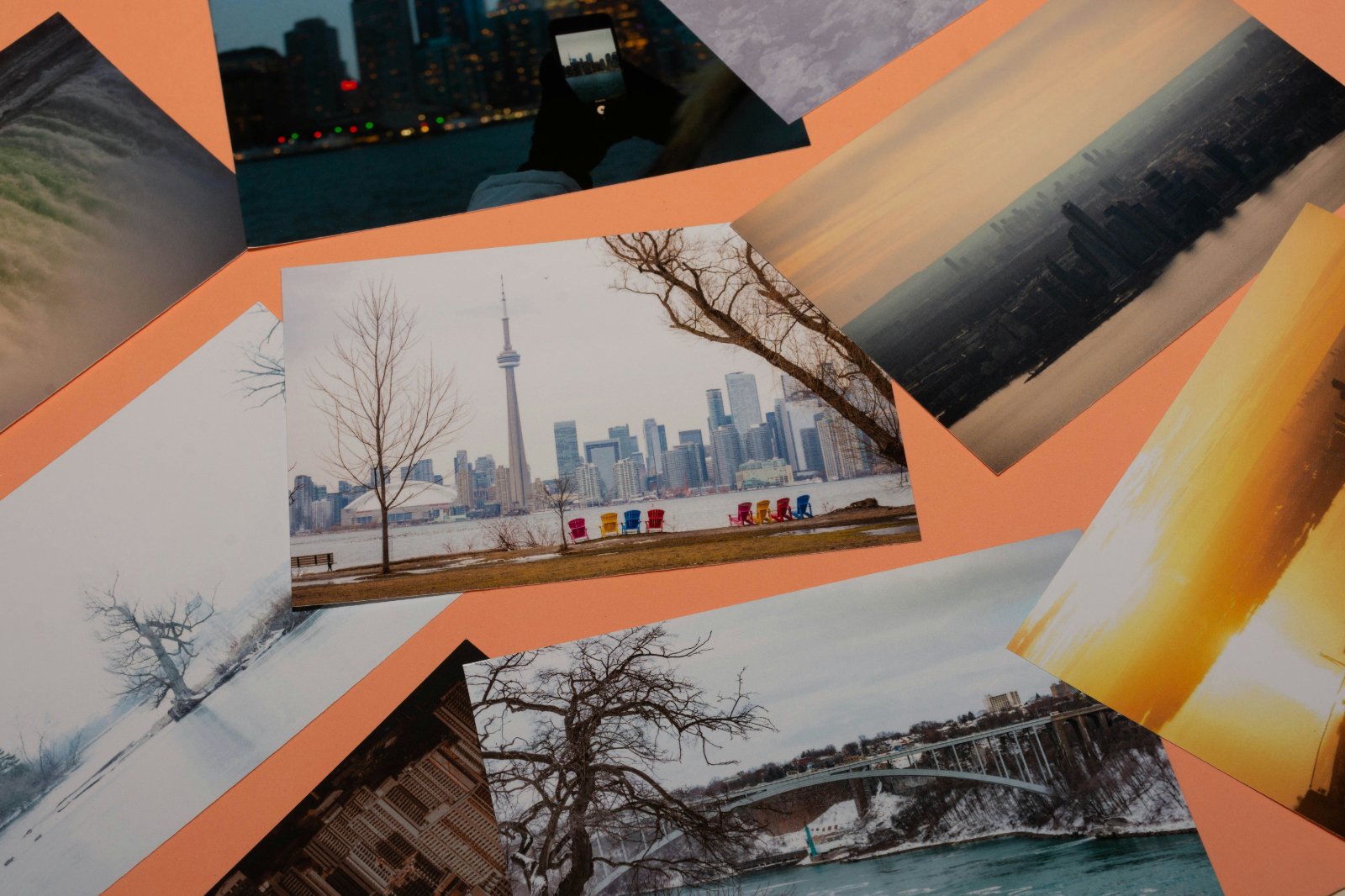
For decades, stock photography was presented as an example of passive income, meaning that you upload a photo once and it sells for years. Over the past few years, the market has changed so much that most materials on this topic describe a reality that no longer exists. Let’s start with the numbers and then figure out what to do about it.
How Much Do They Pay for One Download?
The official rates of the largest platform integrated into creative applications look like this. The base rate for images is thirty-three percent of the price, and for video, thirty-five percent. But the key factor is not the percentage itself, but the amount it is calculated from, since buyers use different subscription plans. If a buyer has a plan that allows three downloads per month, the contributor receives approximately three dollars and thirty cents per image. If the plan includes twenty-five downloads, the contributor receives approximately ninety-two cents with monthly billing and sixty-six cents with annual billing. If a buyer has a large corporate plan with more than three hundred and fifty downloads per month, the contributor receives between thirty-three and forty cents. In other words, you can receive either three dollars or thirty cents for the same image, depending on who downloaded it, and you cannot influence this. On the second major platform, the rate depends on your level and starts at approximately fifteen percent, increasing to forty percent with a high number of sales. The average payout per download there is approximately twenty-eight cents.
What Does This Mean in Practice?
To earn one hundred dollars per month with an average payout of thirty cents, you need approximately three hundred and thirty downloads every month. This requires a portfolio measured not in dozens, but in thousands of images, since an average photo in a stock library is downloaded infrequently. One estimate for the platform with the highest rates puts the average annual revenue per approved image at approximately four hundred and twelve dollars, but this figure applies to professional shots in high-demand categories, not just any photographs. That is why stock photography is now a business built around developing a portfolio rather than a source of passive income, and even specialized industry publications now use this description.
How the Market Has Changed
The main change is associated with the emergence of generative tools. A buyer who needs a generic illustration, such as a person using a laptop, an abstract background, or a generic office, can now generate it independently in a few seconds and for free. The result has been a decline in demand specifically for the most common type of stock content: generic images without specific details. A clear picture of this trend can be seen in the example of one contributor whose income was approximately three thousand one hundred dollars per month in 2023 but fell to approximately one thousand eight hundred and forty dollars in the first quarter of 2026, despite the number of uploaded works increasing by approximately thirty percent over that period. In other words, more work for less income, and this has been a characteristic trend in recent years. Platforms are responding in different ways. One of the largest has directly prohibited contributors from uploading generated images, which is a rather positive signal for photographers. Another, on the contrary, accepts such content with appropriate labeling. It is also worth noting that the planned large-scale merger between the two biggest players in the market did not take place in the summer of 2026, meaning they remain competitors, which is better for contributors than consolidation.
Where Money Can Still Be Made
Despite the overall picture, several areas continue to attract demand, and these are the ones worth considering. Video content is the most promising area. The price of a single video clip download is significantly higher than that of a photograph, meaning that standard licenses can bring in tens of dollars, while payouts for high-resolution footage reach between twenty-two and seventy dollars per download. The reason is simple. Generating high-quality video is still more difficult and expensive than generating images, so demand for real footage remains. Extended licenses pay significantly more than standard ones: between twenty-one and twenty-six dollars per download on one platform and between fifty and one hundred dollars on another. Specific content sells better than generic content. Images featuring recognizable places, real processes, specialized equipment, or rare situations cannot be generated convincingly, and these are precisely the images that retain their value. Local content is a separate opportunity for Ukrainian contributors, since international platforms lack high-quality, up-to-date images related to Ukraine, while demand for them exists.
Platforms
The platform integrated into creative applications has the advantage that its content is displayed directly inside editors used by millions of people. According to estimates, more than three-quarters of downloads take place directly from there, meaning the buyer is already working on a project and is less sensitive to price. Registration is simple and does not require an exam. The largest platform by volume has more than two million active buyers and operates primarily on volume. Rates there are lower, so it makes sense as an additional channel when you have a large portfolio. To join, you need to pass a portfolio review by a moderator. Other platforms generally generate fewer sales, but exclusivity on some of them increases the royalty percentage. It is important that most platforms do not require exclusivity, meaning the same image can be uploaded everywhere simultaneously, which is exactly what experienced contributors do.
How Much Time Does It Take?
The first sale on the fastest platform occurs, on average, approximately nine days after a work is approved. The approval rate is approximately forty-one percent on one platform and approximately sixty-three percent on another, meaning that some uploaded works are rejected. Noticeable income appears when the portfolio is measured in thousands of items, and building one quickly is impossible. A realistic timeframe for reaching substantial amounts is years of regular work, and this is worth considering before investing your time.
Payouts and Taxes
Withdrawals are available after reaching the minimum threshold, which is approximately twenty-five dollars on various platforms. Withdrawal methods usually include payment services and bank transfers. Systematic income requires registration of entrepreneurial activity, and the process here is the same as for any other payments received from foreign platforms, as I wrote about in my article on freelancing.
Who Is This Suitable For?
Photographers who already shoot professionally and have an archive, since this is a way for them to monetize work that has already been done. People who shoot video, since this is the area that retains the best economics. People who have access to specialized subjects, such as manufacturing facilities, rare locations, or events. It is not suitable for those who expect quick income from a few dozen images, since this model stopped working even before generative tools appeared.
Sources
The official Adobe Stock contributor pricing page, industry reviews by PhotoWorkout and Shotavix on market trends in 2026, materials on Shutterstock’s terms and conditions, and publications by VCTR.