 YAPPIE
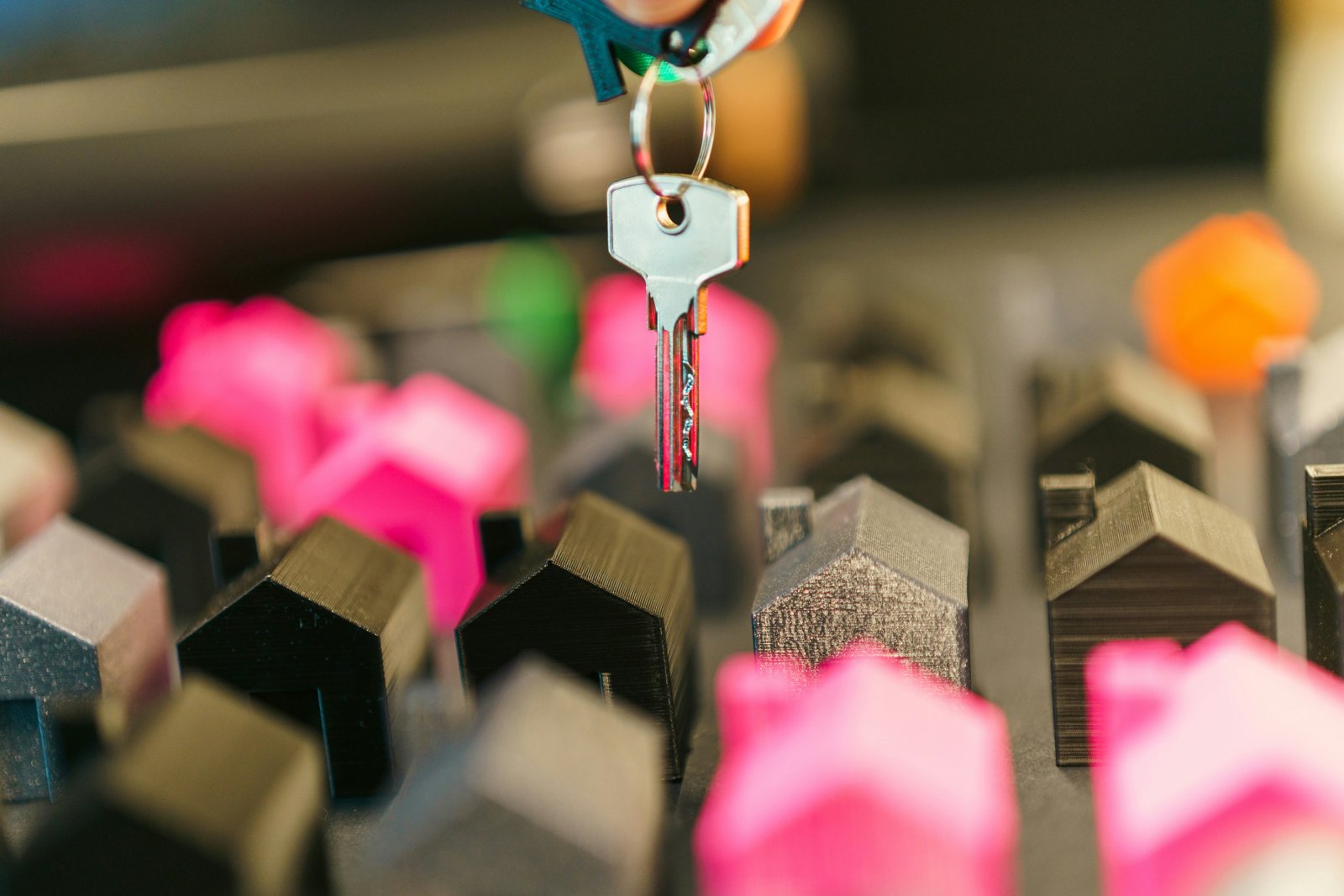
Most property owners set their rental price by comparing it with neighboring listings and leave it at that. However, two apartments of the same size in the same building can have rental rates that differ by a third, and the reason rarely comes down to floor space or the number of rooms. Let's look at what really affects the price and what amounts to an expense without a return.
What Has Changed in Tenants' Requirements
The main observation about the market in recent years is that floor space and the number of rooms have taken a back seat. Autonomy and safety have become the top priorities, meaning independent heating, a generator in the building, a nearby shelter, and basic infrastructure. Market experts explicitly point out that apartments with independent heating, generators, and their own infrastructure cost more, and these factors are currently pushing prices upward. For property owners, this means one specific thing: investments related to energy independence currently pay off better than investments in interior finishes. This is a change compared with the pre-war market.
What Provides the Biggest Increase for the Least Money
Under conditions of a housing shortage, tenants are willing to accept even old furniture just to have somewhere to live. As a result, prices for basic apartments are increasing in percentage terms faster than prices for renovated ones. For property owners, this means that even minimal improvements to bring a property up to a normal residential standard can already justify a higher rental rate, while investments in expensive design are not always worthwhile under current conditions. In other words, the return curve here is nonlinear. Moving from a neglected condition to a clean and tidy one provides a substantial increase for a moderate investment. Moving from tidy to designer-quality provides only a small increase for a large investment.
Specific Investments That Pay Off
I'll provide examples along with their payback periods so it is clear what is worth doing. Cleaning, eliminating odors, and carrying out minor repairs, such as fixing a leaking faucet, a broken handle, or peeling wallpaper. These cost little but have a decisive impact on the first impression. Replacing worn furniture with new, basic pieces is another option. There is an illustrative benchmark from market participants: purchasing a new sofa costing approximately UAH 20,000 can increase the monthly rent by around UAH 2,000, meaning the investment pays for itself in approximately ten months. Basic household appliances in working condition are also important, including a washing machine, refrigerator, and stove. The absence of any item on this list immediately places your apartment in a lower price segment. Cosmetic renovation is worth considering for an apartment that is habitable but outdated. Lighting is another area to address: replacing dim light fixtures with proper lighting is the cheapest change with a noticeable impact on how the apartment is perceived. For reference, a full renovation in a new building currently costs up to approximately USD 1,000 per square meter, so major renovation work should be calculated separately rather than carried out by default.
What Usually Does Not Pay Off
Expensive designer renovations are often not worthwhile because tenants are looking for comfort and practicality rather than aesthetics, and they are not willing to pay extra for the latter. Premium appliances are another example, since tenants do not see much difference between a reliable mid-range model and an expensive one. Remodeling is costly, as it can be as expensive as a major renovation and rarely increases the rental rate proportionally. Complex solutions that require maintenance are also problematic because anything nonstandard can break and will have to be repaired at your expense. The general rule is this: invest in functionality rather than finishes, because tenants pay for comfortable living, not for your personal taste.
Investments That Are Especially Relevant Right Now
Since demand for energy independence is the main trend, this area deserves separate attention. Backup power for basic needs, meaning at least the ability to power a router and lighting, has become a competitive advantage. I wrote about choosing this type of equipment in a separate article. Independent heating, if technically possible in your building, directly affects the rental rate. Having a generator in the building is an advantage worth mentioning in the listing, even if it is not something you are responsible for providing. A nearby shelter and available parking are also worth mentioning because they influence tenants' choices.
About Vacancy Periods
One month of vacancy eats up approximately 8% of annual revenue, meaning it costs more than most investments in improving an apartment. In practice, this means that offering a UAH 500 discount to secure a tenant two weeks earlier is more profitable than insisting on your original price out of principle. What reduces vacancy periods? Choosing the right time to enter the market, since August and September are peak periods due to people returning from vacation and the start of the academic year. An apartment listed in July rents out faster and at a higher price than the same apartment listed in November. High-quality photographs taken in daylight after cleaning are important because listings without photos or with dark images are simply skipped. A complete and honest description matters because hiding drawbacks leads to wasted viewings. Responding quickly to inquiries is important because tenants look at several options in a single day. Being ready for immediate move-in also helps, since most people look for housing for the coming days rather than a month in advance.
How to Set the Price
Look at ten listings for apartments that are as similar as possible to yours in terms of neighborhood, floor space, condition, and floor level. Discard the highest and lowest prices, then calculate the average of the remaining ones. Adjust it from there. If your apartment has genuine advantages, such as a recent renovation, proximity to a metro station, or independent heating, the rate can be approximately 5–15% above average. If it has no particular advantages, set the price at the average level or slightly below it to reduce vacancy time. It is important to look at actual listing prices rather than your own assumptions about the apartment's value, because the rental market operates separately from the sales market. You should also check the minimum rental payment established by your local authorities, since the taxable base cannot be lower than that amount.
About Raising the Rent for an Existing Tenant
A rent increase must comply with the terms of the agreement. In other words, if no special conditions are specified in the contract, the agreed rent remains unchanged throughout its term. Typical clauses provide for a review no more than once a year or link adjustments to an exchange-rate change exceeding a certain percentage. The practical conclusion for property owners is that the review mechanism should be specified in the agreement in advance rather than negotiated midway through the term. It is also worth calculating whether an increase is actually beneficial. If raising the rent by UAH 1,000 causes the tenant to move out and the apartment remains vacant for a month, you will lose more than you gain.
What Affects the Price but Is Beyond Your Control
It is useful to understand which factors you cannot influence so that you do not waste effort. These include the neighborhood and transport accessibility. The floor level also matters, with the first and top floors traditionally valued lower, although a separate entrance can partly offset this for a ground-floor apartment. The building's class is another factor. The view from the window and noise levels matter because windows facing a courtyard are valued more highly than those overlooking a busy street. Nearby parking availability also plays a role. These factors should simply be taken into account when setting the price rather than trying to compensate for them through investments.
Sources
Comments from real estate market experts on the impact of renovation costs and demand for energy independence; analytical reviews of the apartment rental market; a legal guide to renting housing from the Cedos analytical center.