 YAPPIE
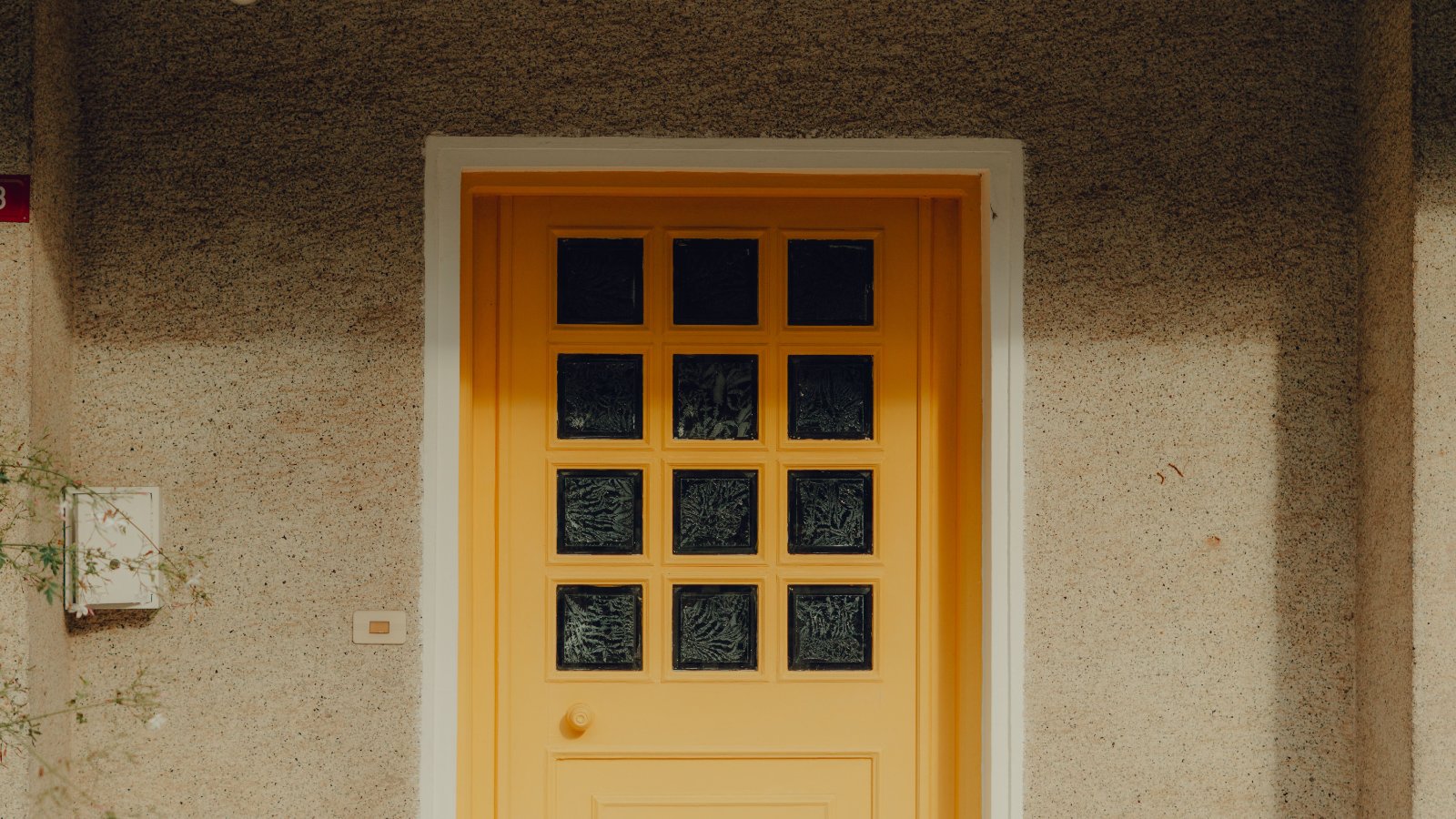
In a private house, the entrance door separates a heated room from the outdoors, meaning the temperature difference in winter can reach twenty-five to forty degrees. Here, insulation produces a noticeable result, and it is worth doing in any case. In an apartment, the door opens into a stairwell, which is usually warmer than the outdoors even when it is not heated, because it is protected from the wind and borders heated apartments. The temperature difference is significantly smaller, and therefore the benefit from insulation is more modest.
This leads to a practical conclusion. For an apartment, inexpensive measures make sense, namely a weatherstrip and adjustment of the closing pressure, which cost hundreds of hryvnias. Expensive door-panel cladding solely for the sake of heat retention has questionable payback, although it works well for sound insulation and appearance. For a private house, all measures are justified, including insulating the door panel itself.
First, Find Exactly Where the Draft Is Coming From
Before buying materials, it is worth locating the problem, since different areas require different solutions.
Paper test. Run a thin sheet of paper or a tissue along the entire perimeter of the closed door, paying attention to areas where the paper noticeably moves.
Closing-pressure test. Place a sheet of paper between the door panel and the frame, close the door, and try to pull it out. If the paper comes out easily, the closing pressure is insufficient at that particular point. Repeat the test at several points around the perimeter, since the pressure is often uneven.
Flame test. Hold a lit candle or lighter along the perimeter, and where the flame moves, there is a through gap. The method works, but it should be used carefully, and the flame should not be brought close to weatherstrips or finishing materials. Also check the threshold, keyhole, the connection between the frame and the wall, and the area underneath the threshold.
Methods in Order of Increasing Cost
Adjusting the closing pressure. This is the cheapest measure and in many cases solves the problem completely. A technician adjusts the hinges and locking mechanism so that the door panel fits tightly around the entire perimeter, while also eliminating sagging that causes the lock to close with difficulty.
For uPVC doors, adjustment in Kyiv costs approximately three hundred to five hundred hryvnias per sash, depending on the complexity, while a basic hardware adjustment service starts at approximately one to two hundred hryvnias.
Replacing or installing a weatherstrip. Rubber hardens and cracks over time and stops working properly regardless of the closing pressure. Checking its condition is simple: just press it with your finger and see whether it returns to its original shape. For metal doors, replacement together with quality material costs approximately from eight hundred hryvnias. For uPVC doors, the service costs approximately one thousand five hundred to two thousand hryvnias. Self-adhesive weatherstripping for DIY installation costs several dozen hryvnias per meter, and a typical door requires approximately five meters.
Comprehensive servicing. Based on typical prices, adjustment together with weatherstrip replacement costs approximately two thousand five hundred hryvnias.
Threshold and bottom gap. Often the largest flow of cold air comes from underneath, and this can be solved with a brush seal or a cover installed along the bottom of the door panel.
Insulating the installation joint. If the draft comes not from underneath the door panel but from the connection between the frame and the wall, the damaged mounting foam should be cut out and replaced, while a frame that moves should be secured with additional anchors.
Insulating the door panel. This is the most expensive option and involves covering the door with artificial leather and an insulating layer or installing a panel with insulation inside. For non-disassemblable doors, a covering with an insulating layer is used; for disassemblable doors, the material is placed inside.
A second sealing circuit. Modern entrance doors are manufactured with two or three sealing circuits, and adding another circuit to an old door can noticeably improve the situation.
Metal Doors and Condensation
Metal conducts heat well, so a door panel without a thermal break acts as a thermal bridge, causing condensation to appear on the inner surface and, in freezing temperatures, frost. This is not merely uncomfortable, since constant moisture leads to corrosion and freezing of the lock. The problem can be solved by insulating the door panel from the inside and adding an additional sealing circuit, while in severe cases the door can be replaced with a model featuring a thermal break.
When Insulation Is Not Worth It
If the door panel or frame is seriously deformed, adjustment and weatherstripping will have a limited effect because the geometry has already been compromised. If a window in the stairwell is broken or the entrance doors do not close properly, insulating your own door will solve only part of the problem, and the issue should be raised with the condominium association. If the main heat losses occur through the windows, they should be addressed first, since the glazed area is many times larger than the door area. I wrote about this in a separate article.
About Ventilation
In many apartments, air enters through gaps, including gaps around doors, and leaves through exhaust vents in the kitchen and bathroom. Completely sealing all air-intake routes can lead to increased humidity, condensation on windows, and mold. Therefore, insulation should be combined with regular short airing, meaning opening the windows wide for a few minutes instead of leaving them slightly open for a long time.
How Much Does It Cost Overall?
Installing weatherstripping yourself costs several hundred hryvnias including materials.
Calling a technician for adjustment costs approximately three hundred to five hundred hryvnias. Replacing the weatherstrip with labor costs from eight hundred to two thousand hryvnias, depending on the type of door. Comprehensive servicing costs approximately two thousand five hundred hryvnias. Cladding or an insulated panel costs noticeably more and is priced individually. Replacing the door with an insulated model is a separate expense measured in tens of thousands of hryvnias. Prices change and vary between cities, so it is worth getting several quotes before ordering.
Sources
Price lists from window and door repair specialists Enfield Windows, DoorTech, Dveripro, Rabotniki.ua, and publications by Lux-Okna.