 YAPPIE
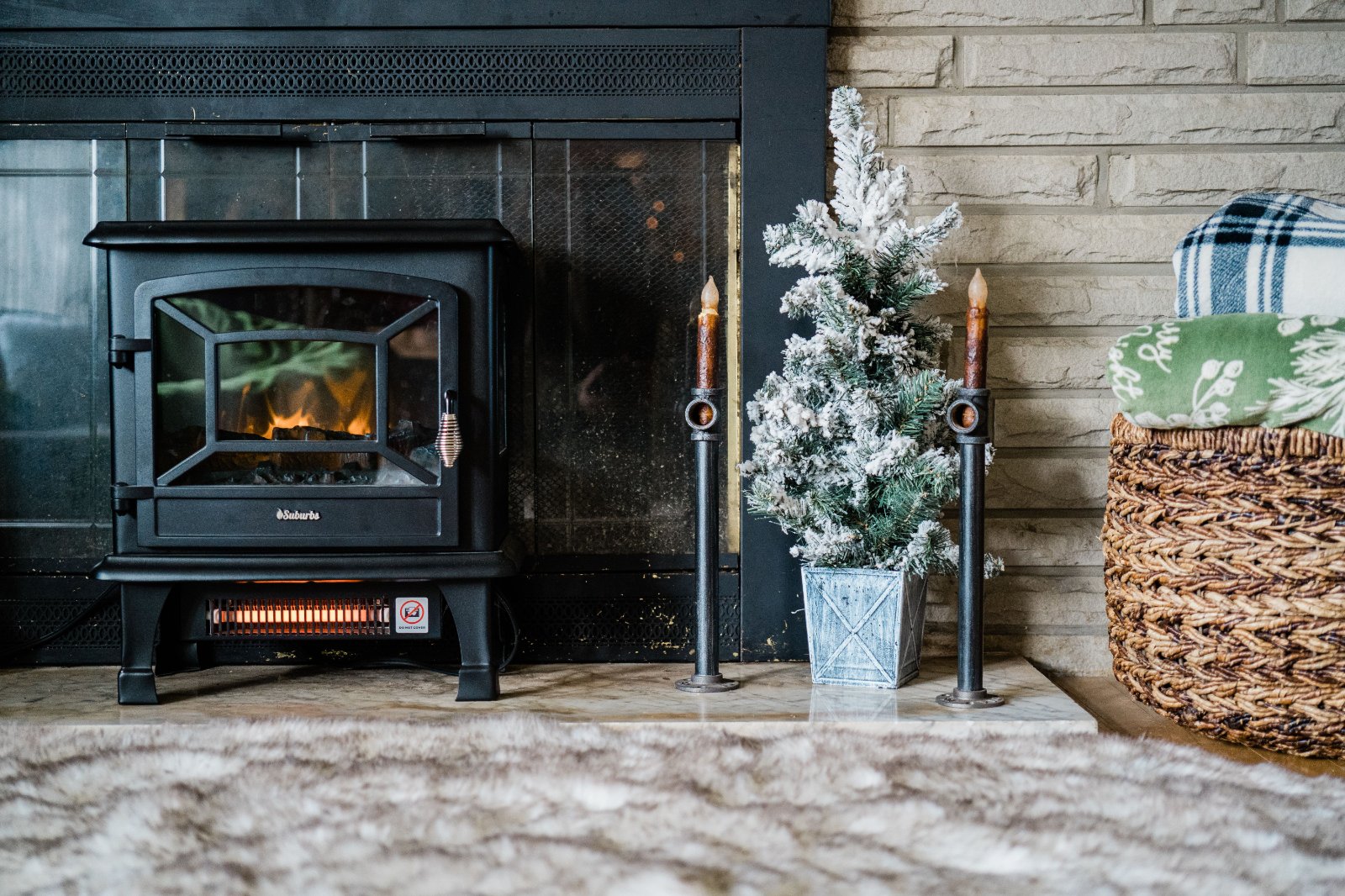
Any electric heater that works on the principle of heating a coil or another element converts electricity into heat almost completely. One kilowatt of consumed power gives one kilowatt of heat regardless of whether it is an oil radiator, a convector, a ceramic panel, or a fan heater. This means that the claim that one type of heater consumes four times less than another at the same power is physically impossible. Such formulations appear even in major Ukrainian sources, but they do not withstand verification, since energy does not disappear or appear. The difference between the types does exist, but it concerns not electricity consumption, but convenience, speed, heat distribution, and safety.
The Only Real Exception
One category of devices really does provide more heat than it consumes in electricity, and these are not heaters in the usual sense. Inverter air conditioners with a heating mode work as heat pumps, meaning they do not produce heat, but transfer it from outside into the room. Thanks to this, for one kilowatt of consumed electricity they provide several kilowatts of heat. The efficiency of such a system decreases as the outdoor temperature drops, and during severe frosts the advantage decreases, but within the Ukrainian winter it remains significant. The disadvantages are the high cost of the equipment and installation, as well as complete dependence on the electricity supply, which in our conditions is a separate factor. If you are looking for a truly economical solution for years, it is worth looking precisely here, rather than at comparisons between heaters.
How the Types Differ Then
Since everything is clear with electricity consumption, it is worth choosing based on other characteristics.
Oil radiators have high inertia, meaning they take a long time to heat up and continue giving off heat for a long time after being switched off. They are silent, do not dry out the air, and do not burn dust, but they are heavy, bulky, and become very hot on the outside, which is why they are not suitable for rooms with small children. Convectors heat the air that circulates through the корпус, work quietly, and heat the room more evenly than oil radiators. They are lighter, often have wall mounting, and maintain the set temperature more precisely thanks to the thermostat. Fan heaters heat the fastest of all, since they drive heated air with a stream, and this is why they are convenient to turn on for a short time in the bathroom or office. The disadvantages are also obvious, namely noise, drying out the air, and a characteristic smell when dust gets onto the heating element. They are not suitable as a permanent solution. Infrared panels heat not the air, but objects and people in the area of operation, which is why the feeling of warmth appears quickly even in a large room. They are convenient for targeted heating of a workplace, but they do not heat the room evenly. Ceramic panels combine convection with thermal radiation, continue giving off heat for a long time after being switched off, and look neat, although they cost more.
How Much Power Is Needed
The basic guideline is that for every ten square meters of a room with a standard ceiling height, approximately one kilowatt of power is needed. This figure is calculated for a room with normal insulation, so for a corner room, an apartment with old windows, or a room with a high ceiling, the reserve should be increased. If the room has main heating, and the heater is needed only as an addition, you can take less power. Calculating the cost of operation is simple, and I discussed the formula in detail in the material about electricity consumption. A two-kilowatt device that operates for four hours a day costs approximately one thousand hryvnias per month at the current tariff, and this figure is worth keeping in mind before the purchase, not after the first bill.
What Reviews Do Not Write About
A heater with a power of two kilowatts is one of the most powerful household appliances in an apartment, and in an old housing stock with aluminum wiring, simultaneously switching on a heater, kettle, and washing machine can quite well lead to overheating of the wiring. Because of this, several rules are mandatory. Plug the heater directly into the outlet, rather than through an extension cord or splitter, since extension cords designed for lower power are a frequent cause of fires. Do not use one line for several powerful appliances at the same time. Check the condition of the outlet itself, and if it heats up or has signs of burning, it cannot be used until it is replaced.
If you are planning permanent electric heating, it makes sense to consult an electrician about the condition of the wiring, and this expense is significantly cheaper than the consequences.
Safety
Do not leave a heater switched on unattended, and especially overnight, if the model does not have reliable overheating protection. Do not dry things on the heater, since this blocks heat dissipation and leads to overheating of the device itself. Maintain a distance from furniture, curtains, and paper, following the requirements in the instructions. Choose models with automatic shutoff when tipped over and overheating protection, since these functions are not available in all devices. For the bathroom, check the moisture protection rating, which is indicated by the letters IP, since using an ordinary heater there is dangerous.
Separately About Gas Heaters in Apartments
Here, direct language is needed, since there are materials online that recommend such devices as a convenient solution in case of outages. The position of rescuers is unequivocal, and it is that gas burners are allowed to be used only for heating food in small cookware, while using them to heat rooms is prohibited. The reason is carbon monoxide, which is produced when burning occurs with insufficient oxygen and has neither a smell, nor a color, nor a taste. Poisoning begins with drowsiness, which is easy to mistake for ordinary fatigue in a cold apartment, after which the person falls asleep. Especially dangerous is using such devices at night and in a tightly closed room, meaning precisely the conditions that a person creates when trying to keep warm. Every winter in Ukraine, people die from this, and the appeal of autonomous heat during outages does not change this arithmetic. I wrote in more detail about safe ways to keep warm in a separate material.
About Heaters During Power Outages
Powering an electric heater from a power station is practically impossible, since a two-kilowatt device will discharge even a large station in mere tens of minutes, while most household stations simply will not output such power. Therefore, a heater and backup power solve different tasks. The station is needed for the router, lighting, and charging devices, while heat during an outage is provided by insulation, not electricity. This is worth taking into account when planning your budget so that you do not buy a station expecting it to provide heating and become disappointed. I wrote separately about choosing energy storage devices.
What to Choose for a Specific Task
For permanent heating of one room, a convector with a thermostat is suitable. For a bedroom, an oil radiator works better because of its silence and lack of drying out the air. For quickly heating a bathroom or office for a short time, a fan heater is suitable. For targeted heating of a workplace in a large room, an infrared panel is better. For a children's room, safety is the priority, meaning a closed корпус without access to hot elements and protection against tipping over. For a long-term solution with real savings, it is worth considering an inverter air conditioner with a heating mode.
Sources: State Emergency Service of Ukraine, TSN, ITbox, industry materials from heating equipment