 YAPPIE
How Much It Costs Now
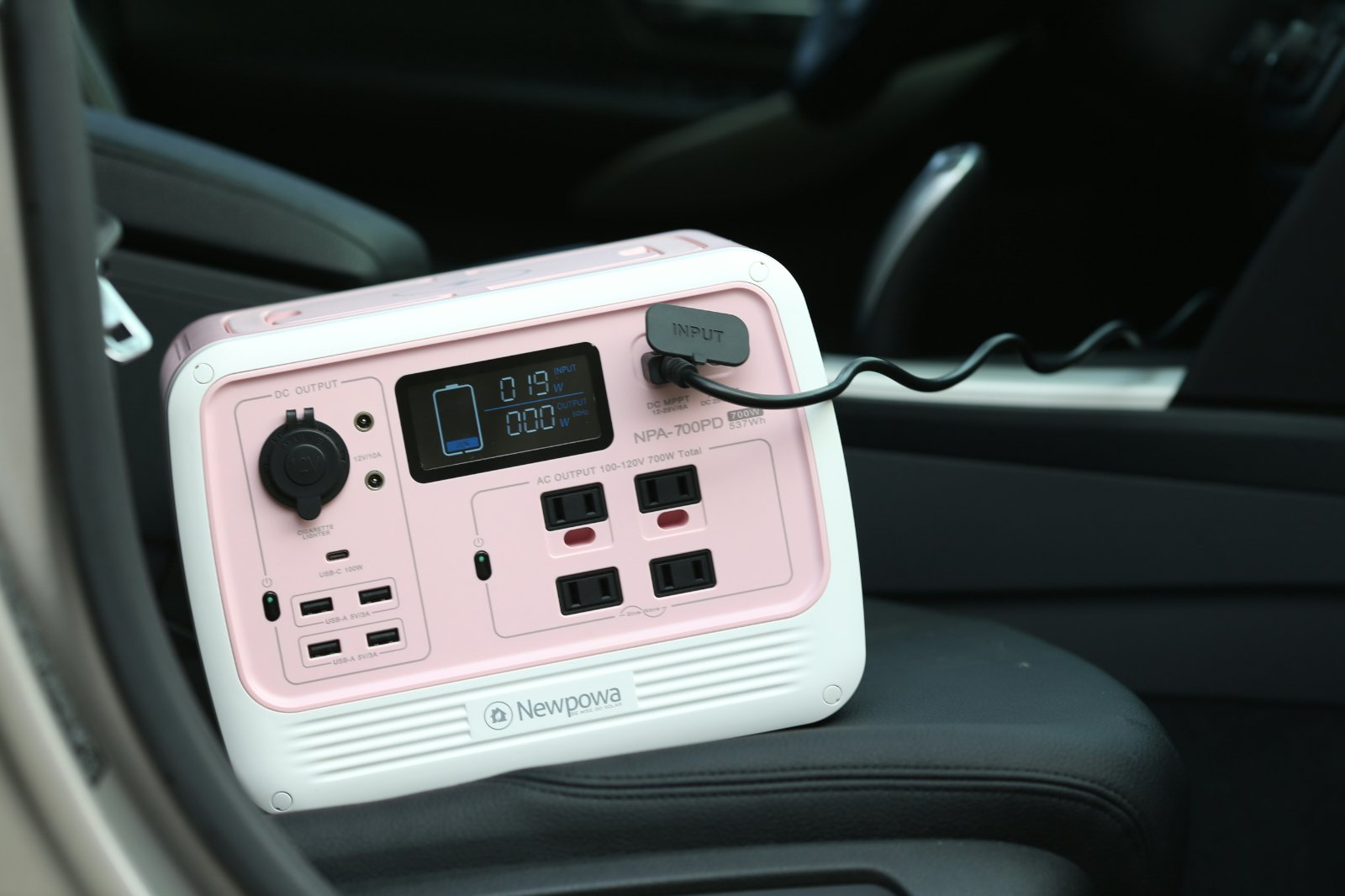
I will give price benchmarks as of September 2026 for one of the most popular brands, since it has the largest number of offers on the market. A portable power station with a capacity of approximately one kilowatt-hour and a low output power costs approximately from twenty-three thousand hryvnias. A portable power station with a capacity of approximately one kilowatt-hour and a power of around one thousand eight hundred watts, meaning one that can already run a refrigerator, costs more. A portable power station with a capacity of approximately two kilowatt-hours and a power of around two and a half thousand watts is in the range above forty thousand.
It is worth understanding that the mentioned brand belongs to the premium segment, and devices from other manufacturers with the same specifications cost noticeably less. Therefore, these figures are the upper limit, rather than the market average. Prices change, and before purchasing, they should be checked on aggregators, since the difference between stores for the same model can be significant.
What the Price Depends On
Capacity in watt-hours determines how long the station will keep a load running, and it has the strongest influence on the price. Output power in watts determines what can be connected at all, and a station with a large capacity and low power costs less, but it will not start a refrigerator. The battery type affects service life, and LiFePO4 cells withstand significantly more charge cycles than ordinary lithium-ion ones. The speed of its own charging is important specifically in our conditions, since a device that takes eight hours to charge does not have time to be ready under outage schedules. The presence of an uninterruptible power supply mode, when the station switches to itself within milliseconds, also affects the price.
Now Honestly About Payback
The short answer is that a portable power station never pays for itself through electricity savings. I will show the calculation so that this does not sound like a claim. The only mechanism through which a station could save money is charging at the nighttime tariff and using it during the day with a two-zone meter. The difference between the daytime and nighttime rate is approximately two hryvnias per kilowatt-hour. A portable power station with a capacity of one kilowatt-hour, which you discharge and charge every day, gives savings of approximately two hryvnias per day, or about seven hundred hryvnias per year. With a station price of twenty-five thousand hryvnias, the payback period is more than thirty years. The service life of the battery itself is approximately three thousand cycles, or about eight years of daily use. In other words, the station will physically not survive until the payback point under this scheme, and the difference here is not a matter of percentages, but several times over.
Where It Actually Pays Off
But this does not mean that the purchase is unreasonable, since you should calculate not the savings on the tariff, but the money and opportunities saved.
A Saved Working Day. This is the most significant argument for those who work remotely. If an outage deprives you of a working day, calculate the value of that day and divide the price of the station by it. For example, with an income of thirty thousand hryvnias per month, one working day costs approximately one and a half thousand. A station costing twenty-five thousand pays for itself after approximately seventeen lost days. During a winter with regular outages, this figure is quite achievable, and for a freelancer with hourly pay, it is reached faster.
Saved Food. A refrigerator keeps food cold for approximately four hours with the doors closed, so for short outages, a station is not critical here. But during long interruptions, the contents of a refrigerator and freezer can be worth thousands of hryvnias, and several saved freezer loads provide a tangible part of the device's cost.
Alternative Costs. Calculate how much you spend during the winter working from cafés, meaning on orders, transportation, and time. For some people, this amount turns out to be comparable to the price of a station.
Giving Up a Generator. If you live in an apartment, a generator is not an option at all, but for homeowners, the comparison makes sense, since a generator is cheaper to purchase but significantly more expensive to operate. I wrote about this in detail in a separate article.
How to Think About This Purchase Correctly
The most accurate analogy is that a portable power station is not an investment, but insurance. The question of whether insurance will pay off makes no sense at the moment when nothing has happened, and has a very specific meaning when something has happened. Therefore, the correct wording looks different, namely, how much it costs you not to be left without electricity, communication, and the ability to work. For a person who works from home, this figure is high. For a person who works all day and is only at home in the evening, it is significantly lower, and a power bank costing several thousand hryvnias may be enough for them.
How Not to Overpay
Do not buy with a large reserve. A station with two kilowatt-hours costs approximately twice as much as a station with one, while the difference in operating time is noticeable only during long outages.
Calculate your actual consumption. A router, lighting, a laptop, and phone charging together consume approximately from one hundred to two hundred watts, meaning that a one-kilowatt-hour station can keep them running for five to ten hours.
Do not count on heating. A heater consumes from one to two kilowatts and will discharge any household station within tens of minutes, so warmth is provided by insulation, not electricity.
Check the peak power, not only the rated power, since a refrigerator consumes several times more than its rated power when the compressor starts.
Compare by watt-hours, not by model names, since marketing labels say nothing about actual capacity.
Consider non-brand models, since in terms of specifications they often do not fall behind, while costing significantly less.
Cheaper Alternatives
If the budget is limited, some tasks can be covered by simpler solutions. A twenty-thousand-milliamp-hour power bank costs several times less and covers a phone and router, meaning the most important things.
Lamps with a built-in battery solve the lighting issue for several hundred hryvnias. For a router, there are separate small uninterruptible power supplies that cost significantly less than a full-fledged station. A combination of a power bank and several rechargeable lamps costs several thousand hryvnias and covers basic needs, although it does not provide the ability to work on a desktop computer.
Sources
Data from the Hotline and Rozetka aggregators as of September 2026, UNIAN publications, official manufacturers' stores