 YAPPIE
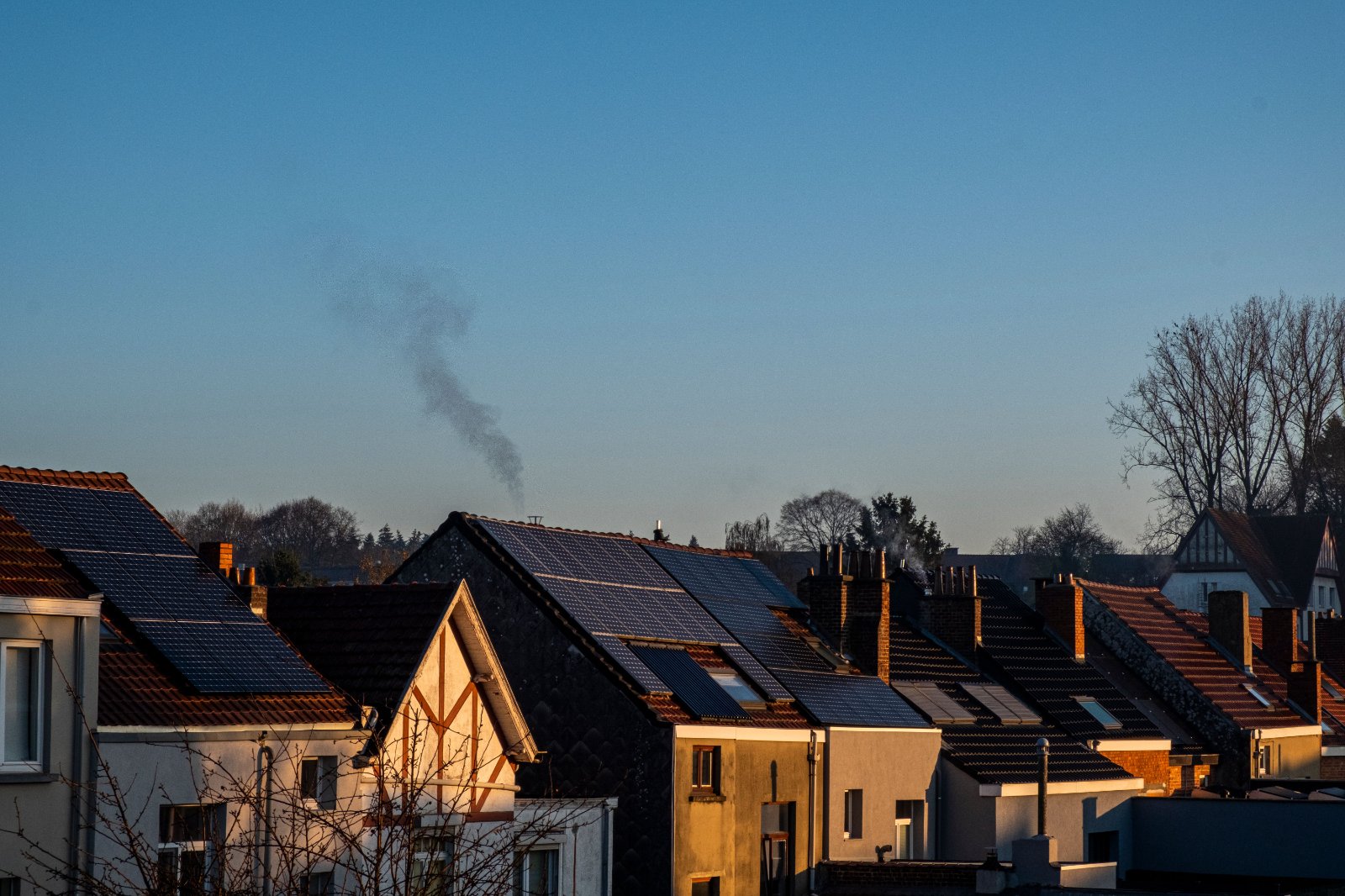
There are three types of stations, and the difference between them is fundamental for us.
A grid-connected station works only together with the centralized grid and does not have batteries, which makes it significantly cheaper. The key point is that such a station automatically shuts down when the voltage in the grid disappears. This is a safety requirement that protects repair workers on the line from backfeeding, meaning the same logic as in the case of a generator. The practical consequence is that during a power outage, your panels may be flooded with sunlight, while the house will remain without electricity. People regularly buy a grid-connected station expecting protection from blackouts and discover this limitation only after installation.
A hybrid station additionally has a battery pack and is capable of powering the house during outages. The price difference compared with a grid-connected station can reach several thousand dollars depending on the battery capacity.
An off-grid station is not connected to the grid at all and operates only on its own panels and batteries. That is, if your goal is protection from outages, you need a hybrid or off-grid system, while a grid-connected station does not solve this task in principle.
About Winter Honestly
In winter, generation is several times lower than in summer because daylight hours are shorter, the sun is lower in the sky, and the panels can be covered with snow. It is telling that even sellers formulate expectations in such a way that the station can fully cover summer consumption and significantly reduce winter consumption. That is, in winter it does not fully cover the needs even in their calculations. The practical conclusion for our conditions is that a solar power station is not a means of getting through winter outages on its own. In winter, it works as an addition that helps recharge batteries on sunny days, while the main load falls on stored energy and other sources. I wrote about combining different backup power sources in the material about generators and portable power stations.
How the Green Tariff Works
The mechanism is that the regional electricity distribution company is obliged to buy the surplus electricity generated by your station at a fixed price. The energy first covers the needs of the house, and everything produced beyond consumption automatically goes into the grid. Accounting is carried out by a bidirectional meter, which records both consumed and supplied electricity, and you receive payment for every kilowatt-hour transferred. The program applies to private stations with a capacity of up to thirty kilowatts and, according to the sources, is planned to run until the end of 2029. Sources differ regarding the specific rate, and they give figures of approximately five and a half to six and a half hryvnias per kilowatt-hour depending on the year the station was put into operation. The rate is tied to the euro exchange rate and is revised, so the current value should be checked directly with the regional electricity distribution company.
The paperwork takes from one to two months, and most installation companies help with the documents.
How Much It Costs
There is no single price, since the cost depends on the number and power of the panels, the type of inverter, the presence and capacity of batteries, installation, mounting systems, and protective equipment. As a reference, it is worth giving figures from independent sources, according to which a station with a capacity of ten kilowatts in publicly available offers can cost more than two hundred thousand hryvnias. Hybrid systems with batteries cost noticeably more than grid-connected systems of the same capacity.
About Payback
Sellers state payback periods of four to six years. Independent sources do not provide figures, but instead emphasize that payback depends on the station's capacity, actual generation, the amount of self-consumption, and the conditions for selling electricity. The calculation formula is simple, and you can check it yourself. The payback period in years equals the cost of the station divided by the sum of annual savings and income from the green tariff. Calculate this using your actual data, not an example from an advertising brochure, and be sure to include the winter decline in generation in the calculation.
How to Maximize the Benefit
The most profitable strategy is not selling, but self-consumption, since you do not need to buy the energy you use yourself at the full tariff. In practice, this means moving energy-intensive tasks to the daytime, when the panels generate the most, that is, turning on the water heater, washing machine, and dishwasher during the day. Hybrid stations with a battery allow you to store daytime generation and use it in the evening, which, according to the sources, increases the share of self-consumption from approximately forty to sixty percent to seventy to eighty-five percent. I wrote about planning energy-intensive tasks in the materials about washing machines and electricity consumption.
About Service Life
Manufacturers provide a warranty on panels of approximately twenty-five years with retention of eighty percent of power and above. Inverters and batteries last less than panels, and replacing them during the system's service life is a normal expense item that should also be included in the payback calculation.
Who Is It Suitable For
Owners of private houses with their own roof who are focused on long-term savings and are ready for significant initial costs. Those who can move a significant portion of their consumption to daytime hours. Those whose priority is protection from outages, but only if a hybrid system is used. For apartments in high-rise buildings, the situation is more complicated due to the lack of their own roof and technical limitations, and here a regular portable power station is usually more practical.
Sources
Publications by Novyny.LIVE citing ZAXID.NET, materials from installation companies and equipment suppliers, data regarding the green tariff