 YAPPIE
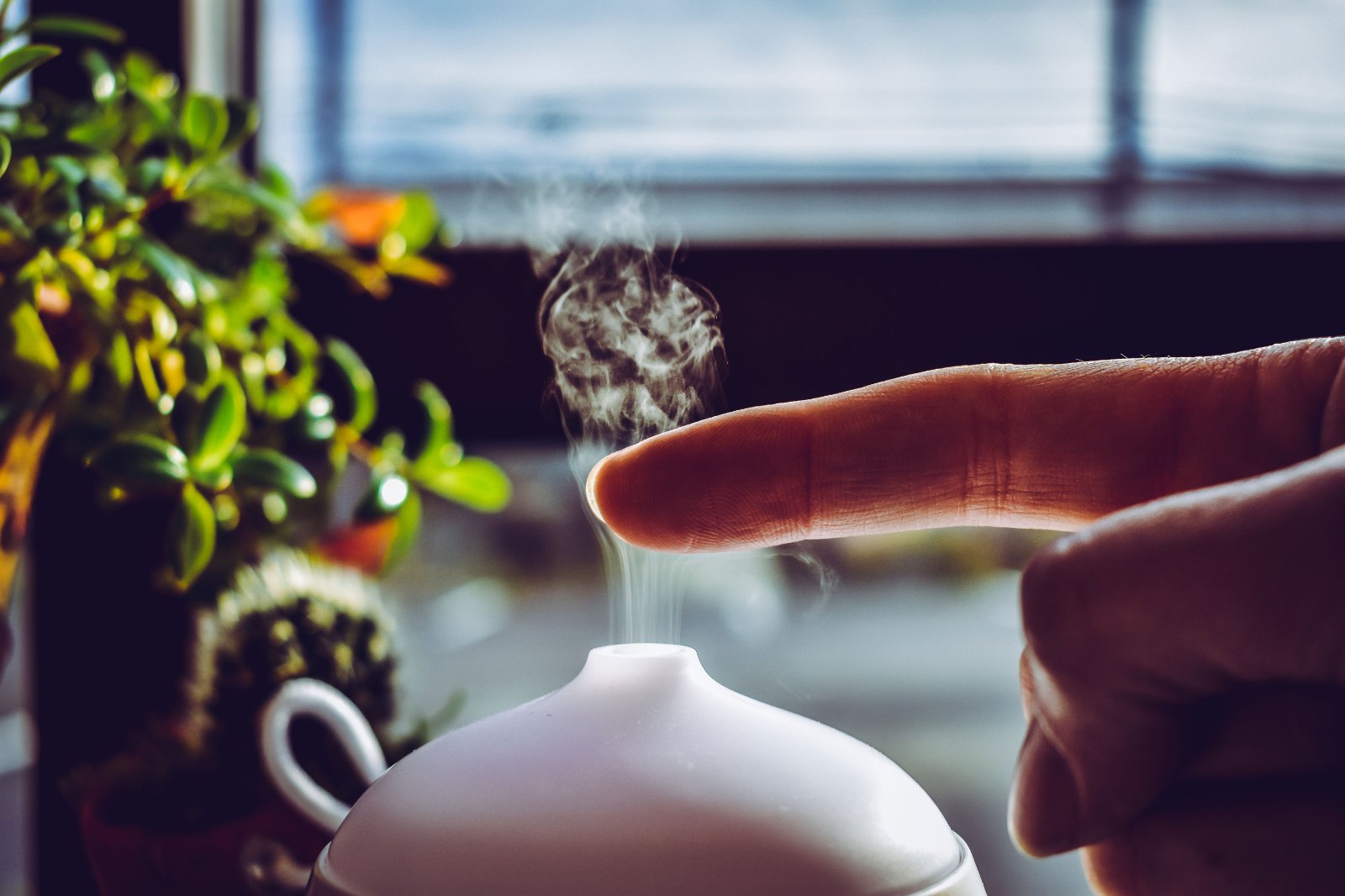
In winter, the air in apartments becomes dry due to heating, and humidifiers are widely purchased during this period. But it is worth starting not with choosing a model, but with a simple measurement, since some people do not need the device, while for others it can cause harm.
First, Measure
A hygrometer, that is, a device for measuring humidity, is inexpensive and shows whether you have a problem at all. The optimal indoor humidity is considered to be in the range of forty to sixty percent. Humidity below twenty percent is noticeably uncomfortable, since it dries out the mucous membranes and skin. Signs of dry air include dryness in the mouth and on the lips in the morning, eye irritation, static discharges when touching metal objects, and a feeling of fatigue indoors. Measure the humidity for several days at different times. If it consistently remains within the optimal range, you do not need a humidifier. If it falls below forty, it makes sense.
Why Excess Humidity Is Also a Problem
This point is often overlooked, although it is important. Humidity above sixty percent leads to condensation on windows, mold in corners and on window reveals, as well as damage to furniture and finishes. In other words, a humidifier that operates without control can create the opposite problem to the one it was supposed to solve. That is why a useful function is a hygrostat, that is, a built-in sensor that measures humidity and automatically turns the device on and off. Without it, you have to monitor the indicator manually. I wrote about how condensation on windows is related to humidity and ventilation in the article about insulating windows.
Types of Humidifiers
Traditional, or evaporative. Water passes through a special cartridge, and a fan blows air through it, which absorbs moisture naturally. An important advantage is that such a device is practically incapable of over-humidifying the room, since evaporation slows down as the humidity in the room increases. In addition, they can be filled with ordinary tap water. The disadvantages are slower operation and the need to regularly replace the cartridge.
Ultrasonic. Water reaches a membrane that breaks it into microscopic droplets through vibration, forming a cool mist. The advantages are almost complete silence, fast operation, and low energy consumption, which is approximately forty to fifty watts. That is why they are often chosen for bedrooms and children's rooms. The disadvantage is related to the water, and it is discussed separately below.
Steam. The device heats water to boiling and releases steam.
The advantage is that boiling destroys bacteria in the water. The disadvantages are high energy consumption at approximately three hundred to five hundred watts and the risk of burns, which is why such devices are not suitable for rooms where there are children.
Air washers. In them, rotating discs come into contact with water, simultaneously humidifying the air and collecting dust and pollen from it. They cost more and take up more space.
About White Residue
This is the main practical problem of ultrasonic models. If you fill such a device with ordinary tap water, a characteristic white residue appears on furniture after the sprayed droplets dry. It is worth understanding where it comes from. The membrane sprays water together with the minerals dissolved in it, and these minerals settle on surfaces, meaning that they have been in the air you breathe.
This can be solved in three ways. You can use distilled water, water after a reverse osmosis filter, or regularly replace the softening cartridge, which is provided in most models and usually lasts from three to six months depending on water quality. Evaporative models do not have this problem, since the minerals remain in the cartridge, while only moisture enters the air.
Hygiene Is More Important Than the Model
The reservoir of any humidifier should be cleaned at least once or twice a week to avoid odors and bacterial growth. Stagnant water in a warm room is a favorable environment for microorganisms, and a device that nobody cleans sprays them together with the moisture. A practical rule is not to add water to what is left, but to drain the old water and add fresh water each time. Cartridges and filters should be replaced according to the manufacturer's schedule, not when they become visibly dirty.
What to Consider When Choosing
The output should correspond to the area of the room, and it is specified in the specifications. The tank capacity determines how often you will need to add water, and for nighttime operation it is important that it lasts for the entire night. The noise level matters for a bedroom. Having a hygrostat protects against excessive humidity. The availability and price of replacement cartridges affect the actual cost of ownership, since an inexpensive device with expensive consumables ends up costing more.
What Is Important in Our Conditions
During power outages, an ultrasonic humidifier consumes so little that it can easily be powered by a portable power station or even a power bank with the appropriate output. Using a steam humidifier with backup power is impractical because of its high consumption. It is also worth mentioning alternatives that do not require a device. A container of water near a radiator or drying laundry in the room really does increase humidity. But this method is suitable only when the air is measured to be dry, since in a room prone to condensation, it makes the situation worse. That is why measuring from the very beginning is a key step.
Sources
Comfy, Rozetka, Cooper&Hunter blogs, publications by Daily Lviv, industry materials on climate-control equipment