 YAPPIE
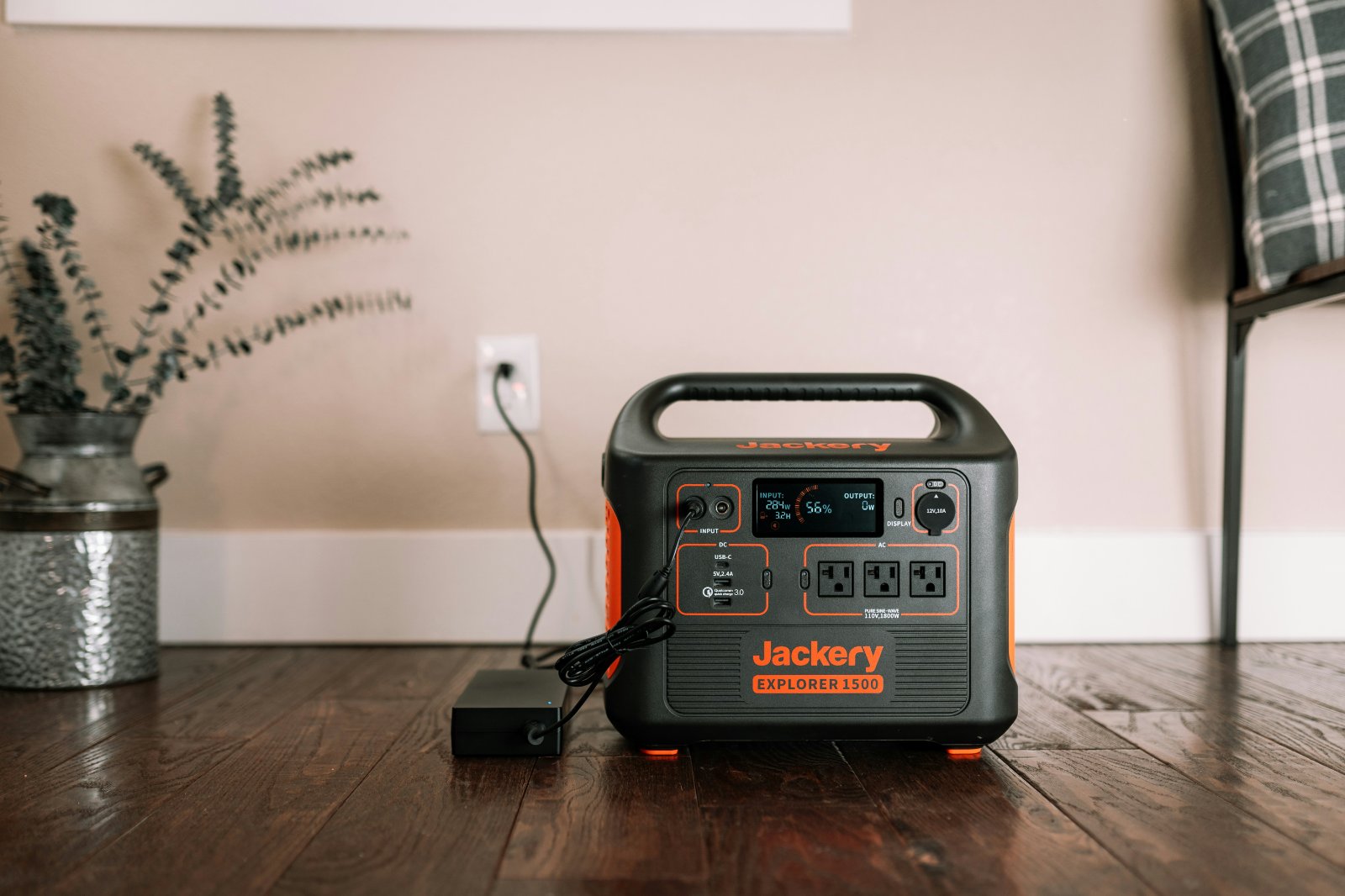
These devices are constantly compared with each other, although they solve different tasks, and it is precisely because of this comparison that many people buy something they do not need. The difference lies in the very nature of the equipment. A portable power station is a large battery that stores energy from the grid and delivers it later. A generator produces electricity independently from fuel. Everything else follows from this.
The Main Limitation of Each
A portable power station is limited by its capacity and requires the grid to recharge. It will deliver exactly as much energy as has been stored in it, after which it turns into a useless box until the power comes back. With short scheduled outages, this is not a problem, since it has time to recharge between periods. During a complete blackout lasting several days, it will run out and will not recharge.
A generator is limited by fuel and the place where it is installed. It can operate for as long as necessary as long as there is fuel to refill it with, but it must never be used indoors under any circumstances, since the exhaust contains carbon monoxide, and the concentration in an enclosed space reaches a lethal level within minutes. In other words, a power station does not have a problem with location, but it has a problem with duration. A generator does not have a problem with duration, but it has a problem with location.
For an Apartment, There Is Essentially No Choice
It is impossible to use a generator safely in an apartment. A balcony is not suitable, since it is a partially enclosed space, and the exhaust can enter the windows of your apartment and your neighbors' apartments. A building entrance is not suitable for the same reasons and additionally creates a danger for all residents. A yard near the building creates issues with noise, keeping the device secure, and storing fuel. A portable power station, on the other hand, works directly inside a residential space, since it produces no exhaust and requires neither ventilation nor permits. Therefore, for an apartment building, the question of choice does not really arise, and the only question is what capacity power station you need.
For a Private House, the Answer Depends on the Scenario
Here it is worth starting with how long the outages last in your area.
Short outages of up to several hours. A power station fully covers the needs and does so more conveniently, since it works instantly, silently, and does not require your involvement.
Long outages lasting a day or more. A generator becomes more practical, since a power station will not withstand such a duration.
Powerful equipment. If you need to power a well pump, the heating system of the entire house, and several powerful appliances at the same time, a generator with several kilowatts makes this possible, while a power station with corresponding power costs significantly more.
The Best Solution for a House Is Usually a Combination
This is worth mentioning separately, since most people choose between two options, whereas for a private house the optimal solution is to combine them. The scheme works as follows. The generator is started for several hours a day, and during this time it powers powerful equipment and simultaneously charges the power station. Then the generator is switched off, and the power station quietly powers the lights, router, boiler, and refrigerator for the rest of the time, including at night. The advantages of this scheme are obvious upon closer examination. You do not consume fuel around the clock. You do not listen to the engine noise all night. You do not wake the neighbors. The generator operates under a normal load, which is better for it than running idle.
Let's Calculate the Cost of Energy
Here is a calculation that is not found in materials on this topic, but it is important for understanding the economics.
A portable power station charges from the grid at the regular tariff, and taking conversion losses into account, a kilowatt-hour that you later use costs approximately the tariff plus fifteen percent. That is, energy from the power station costs almost as much as ordinary electricity. A generator produces energy from fuel, and a household model consumes approximately from half a liter to one liter for each kilowatt-hour produced, depending on the load and engine type. Multiply this by the current cost of fuel, and you will get a figure that exceeds the tariff by approximately five to seven times. The practical conclusion is that a generator is an expensive source of energy, and using it for everything indiscriminately makes no economic sense. It is needed precisely where there is no alternative, meaning during long outages and for powerful equipment. This is another argument in favor of the combined scheme, since in it the expensive energy from the generator goes toward charging the power station, and afterward you use the energy that has already been stored.
What You Should Not Spend Money On
A powerful generator for an apartment. You will not be able to use it, since there is nowhere to put it.
A portable power station intended for heating. An electric heater consumes from one to two kilowatts, and even a large power station will discharge within tens of minutes. Heat during outages is provided by insulation, not electricity, as I wrote about separately.
A cheap generator with a poor-quality sine wave for a gas boiler. The boiler's electronics are sensitive to voltage quality, and an inverter device is required for it. The savings here end with a boiler repair.
A power station without a reserve for peak power. A refrigerator consumes several times more than its rated power when the compressor starts, and a power station selected with no reserve will simply switch off.
Equipment without a clear list of what you will power. The calculation needs to be done before the purchase, not afterward.
What Else Is Worth Considering
A power station provides power instantly, while a generator requires you to go outside and start it, which at night and in the rain looks different than it does in a store. A generator requires oil and filter changes and regular starting even during periods when it is not being used. A power station only requires periodic recharging during long-term storage. Gasoline must not be stored in residential spaces, on balconies, or in basements, and it loses its properties after several months. A generator can be heard by neighbors, and this creates everyday conflicts, especially at night. A power station can be additionally charged from them, which is a real addition for a private house with a plot of land, although in winter the output is noticeably lower.
Sources
Publications by TSN, Novyny.LIVE, Rivne News, industry materials on backup power, State Emergency Service of Ukraine materials on the safe operation of generators