 YAPPIE
How It Works
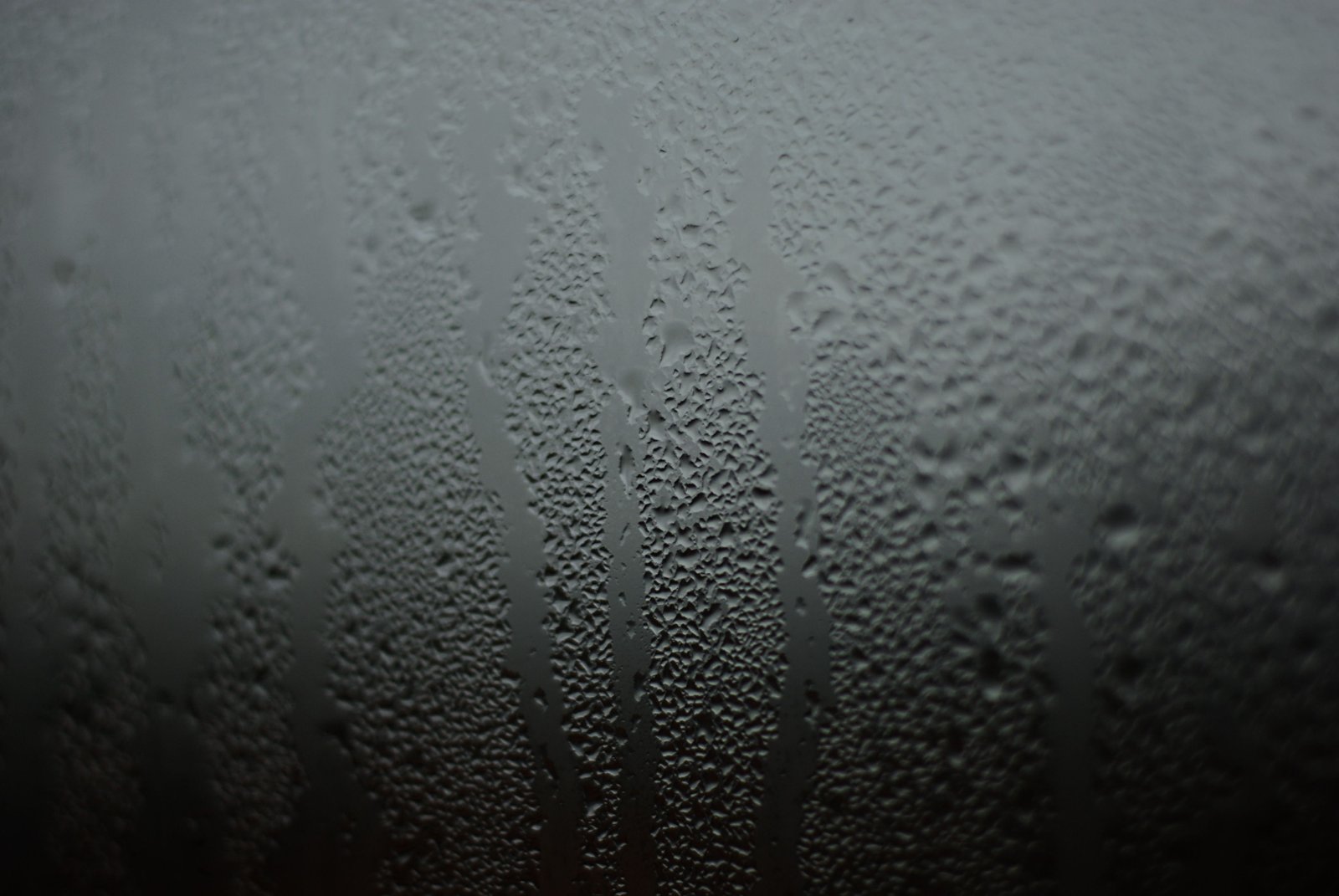
In construction, there is a concept known as the dew point, meaning the temperature to which air must cool for moisture in it to begin condensing into droplets. Three factors determine it: air temperature, air humidity, and surface temperature. In other words, condensation occurs when warm, humid room air comes into contact with glass that is colder than the dew point. This means there are two factors you can influence: reduce humidity or increase the temperature of the glass. All solutions are based on these two approaches. This also explains why condensation appears mostly in the morning, since this is usually when the temperature is lowest during the day.
The Main Misunderstanding
Old-style wooden windows fogged up much less often, and the reason is not that they were better.
Because of the gaps in them, moisture constantly escaped along with heat, meaning the apartment was continuously ventilated without any effort on your part. uPVC windows are airtight, so this uncontrolled air exchange disappeared, and the moisture that previously escaped outside began to remain indoors. In other words, new windows did not create the humidity problem; they removed the mechanism that had been quietly hiding it. The practical conclusion is that you should address humidity and ventilation rather than the windows themselves.
First, Find Out Exactly Where the Condensation Is
This is critically important because three different situations require three different solutions.
On the inner surface of the glass. This is the classic case associated with humidity and ventilation, and it is the one discussed below.
Between the panes inside the insulated glass unit. This indicates a loss of airtightness, meaning the integrity of the glass unit itself has been compromised. No amount of ventilation will help here, because moisture has entered the structure, and the only solution is to replace the glass unit.
On the window slopes, in the corners, or on the frame. This indicates freezing caused by poor installation or insufficient insulation of the slopes, and the solution involves repairs rather than ventilation.
Before doing anything, determine which case you are dealing with, because the recommendations differ from this point onward.
Measure the Humidity
A hygrometer is inexpensive and immediately gives you an answer. A reading above sixty percent can already be considered a likely cause of condensation, while the optimal range is approximately forty to sixty percent. If the humidity is within the normal range but condensation is still present, the issue is primarily the cold glass, and you need to address it from another angle.
Check the Ventilation
The key rule is that ventilation works only when there is both a supply of fresh air and an exhaust. In many apartments, the exhaust ducts are functioning properly, but the air supply disappeared when airtight windows were installed, and the system simply stopped working.
Checking the duct is easy. Hold a sheet of paper up to the ventilation grille in the kitchen or bathroom. If there is airflow, the paper will be pulled toward the grille. If it does not stay in place or moves toward the room, the duct is not working properly or the airflow has reversed. Perform this test with a window open, because with the room completely closed, the exhaust will not work properly even if the duct itself is functioning.
What to Do, in Order of Priority
Ventilate briefly and intensively. Opening the windows wide for five to ten minutes works much better than leaving them slightly open for an hour, because during this time the air has time to change while the walls and furniture do not have enough time to cool down. Do this several times a day, especially in the morning and after cooking.
Turn on the extractor fan while cooking. The kitchen stove is one of the main sources of water vapor in an apartment. Keep the bathroom door closed during and after a shower and ventilate it separately.
Do not dry laundry in living rooms, since one load of laundry can release several liters of water into the air. Make sure the glass is adequately heated. If the windowsill is too wide or the radiator is covered by curtains, warm air does not reach the glass, causing it to cool quickly and become a condensation point. Move heavy curtains away from the radiator, do not place solid objects across the windowsill, and, if necessary, make ventilation openings in the windowsill or install a grille.
Switch the windows to winter mode, since tighter pressure reduces cooling of the frame. I wrote separately about how to do this.
Check the number of plants, since a large indoor garden together with an aquarium can make a noticeable contribution to humidity.
Clean the ventilation ducts or install a forced exhaust fan if the airflow is weak.
Install a supply-air valve. This is a device that provides fresh air without opening the window, and it addresses precisely the problem created by airtight windows. There are versions installed in windows or walls, and some models operate automatically according to the humidity level.
Consider a dehumidifier as a temporary solution for rooms with chronically high humidity.
What You Should Not Do
The most common mistake is responding to condensation by sealing the room even more, meaning sealing every gap and stopping ventilation in an attempt to retain heat.
This makes the situation worse because the problem is precisely the stagnant humid air. Similarly, you should not constantly wipe the glass without addressing the underlying cause, because the moisture will return the next morning, while prolonged dampness leads to mold and corrosion of metal components.
When the Problem Really Is the Window
There are situations where ventilation has nothing to do with the problem. Single-chamber glass units without a low-emissivity coating will fog up almost constantly because their thermal conductivity is too high, causing the glass to cool to the dew point even during a mild winter.
Poor installation can also cause problems if the seal around the perimeter is compromised, causing the frame and window slopes to freeze. In these cases, the solution is to replace the glass unit with a double-chamber energy-efficient one or redo the installation joint, and no amount of ventilation can replace these measures.
Sources
Publications by ZAXID.NET, TSN, Darwin, Enfield Windows, BNclimate, and Vikonda.