 YAPPIE
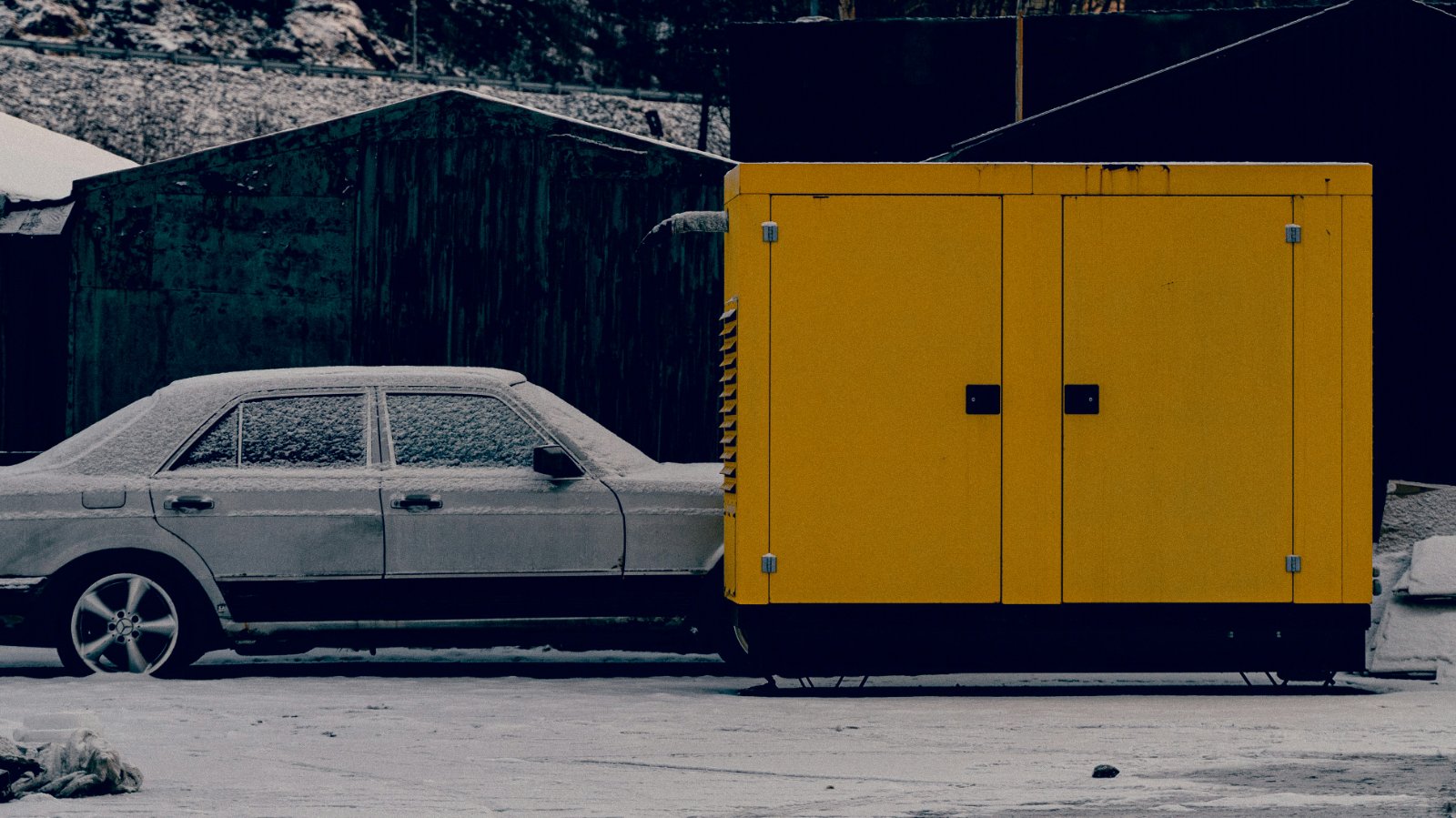
Buying a generator is easier than connecting it correctly, and it is precisely at this stage that most dangerous mistakes occur. I will immediately point out one fundamental thing. Working in a house's electrical distribution panel means working with dangerous voltage, and it must be performed by a qualified electrician. This material explains what options are available and how they differ, so that you can give the correct instructions and understand what you are paying for, rather than doing it yourself.
Why Connecting Through a Socket Is Prohibited
The most common method recommended in the comments is to connect the generator to a household socket with a cable that has plugs on both ends. This is a dangerous practice, and there are several reasons for it. When your generator is powering the house while the main input switch remains closed, voltage flows back into the line. A repair crew working on this line, believing it to be de-energized, is exposed to a fatal danger. In addition to the threat to people, this also creates liability for the owner. Such a connection bypasses the protective circuit breakers, meaning that in the event of a short circuit or overload, nothing will trip.
A household socket and the wiring leading to it are not designed to pass power for the entire house through them. A cable with plugs on both ends will at some point have live contacts on one side, and this is an obvious danger. In other words, saving money on proper connection creates a risk for you, for your house, and for other people.
Three Correct Options
The first, simplest. A stationary input connector on the wall of the house combined with a manual switch in the electrical panel. The generator is connected to this connector with one cable, and you make the switching yourself.
The second, classic. A manual three-position switch, also called a transfer switch. It has three positions, meaning power from the grid, complete de-energization, and power from the generator. There is a detail here that is worth understanding. It must be a three-position switch, not a two-position one, because the middle neutral position is needed to make simultaneous connection to two sources impossible. Such a switch is mounted in the panel on a standard rail and installed after the meter so that it does not count the energy produced by your generator.
The third, automatic. An automatic transfer switch system independently monitors the presence of voltage in the grid and switches the load to the generator without your involvement, doing so within tens of milliseconds. This option is the most convenient if you are often away from home or if you do not want to go out to the panel at night or in the rain. It is also the most expensive and requires more complicated installation.
What Is Worth Agreeing on with the Electrician
Even if the work is performed by a specialist, it is useful to understand the key points.
Breaking the line from the grid is mandatory in any scheme, since this is what makes backfeeding impossible. Grounding the generator is mandatory, because if the insulation is damaged, the housing becomes energized, and touching it becomes dangerous. The cable cross-section must correspond to the power. This is the kind of mistake that leads to fires. A clear example from practice looks like this: a six-kilowatt generator connected with a cable with a cross-section of one and a half square millimeters heated up so much that it was impossible to hold the cable by hand, and normal operation began only after replacing it with a cross-section of six. Protective circuit breakers must also be provided on the generator side, since a short circuit when operating from a backup source is no less dangerous. The phase and neutral must not be mixed up, since an incorrect connection can disable both the generator and the connected equipment.
A Smart Scheme That Saves Money
Instead of powering the entire house, the load is divided into two groups. The first group includes what cannot be done without, that is, the heating circulation pump, water supply pump, lighting, refrigerator, router, and several sockets. The second includes everything else, that is, an electric stove, boiler, washing machine, and air conditioner. Only the first group is connected to the backup power supply, and then instead of an eight-kilowatt generator, a two- or three-kilowatt model is enough. The savings are twofold, since both the generator itself and the fuel become cheaper, because consumption directly depends on the load. It is worth planning this division before the electrician's visit, that is, making a list of what should work during a power outage.
About Generator Grounding Separately
Grounding is needed in any case, and the way it is carried out depends on the connection scheme and the type of network in your house. This is exactly the question that an electrician should answer after an inspection, since there is no universal answer here, and a mistake is costly.
Sources
Materials from specialized electrical engineering companies, publications by Electro100, RemontGid, E-Katalog