 YAPPIE
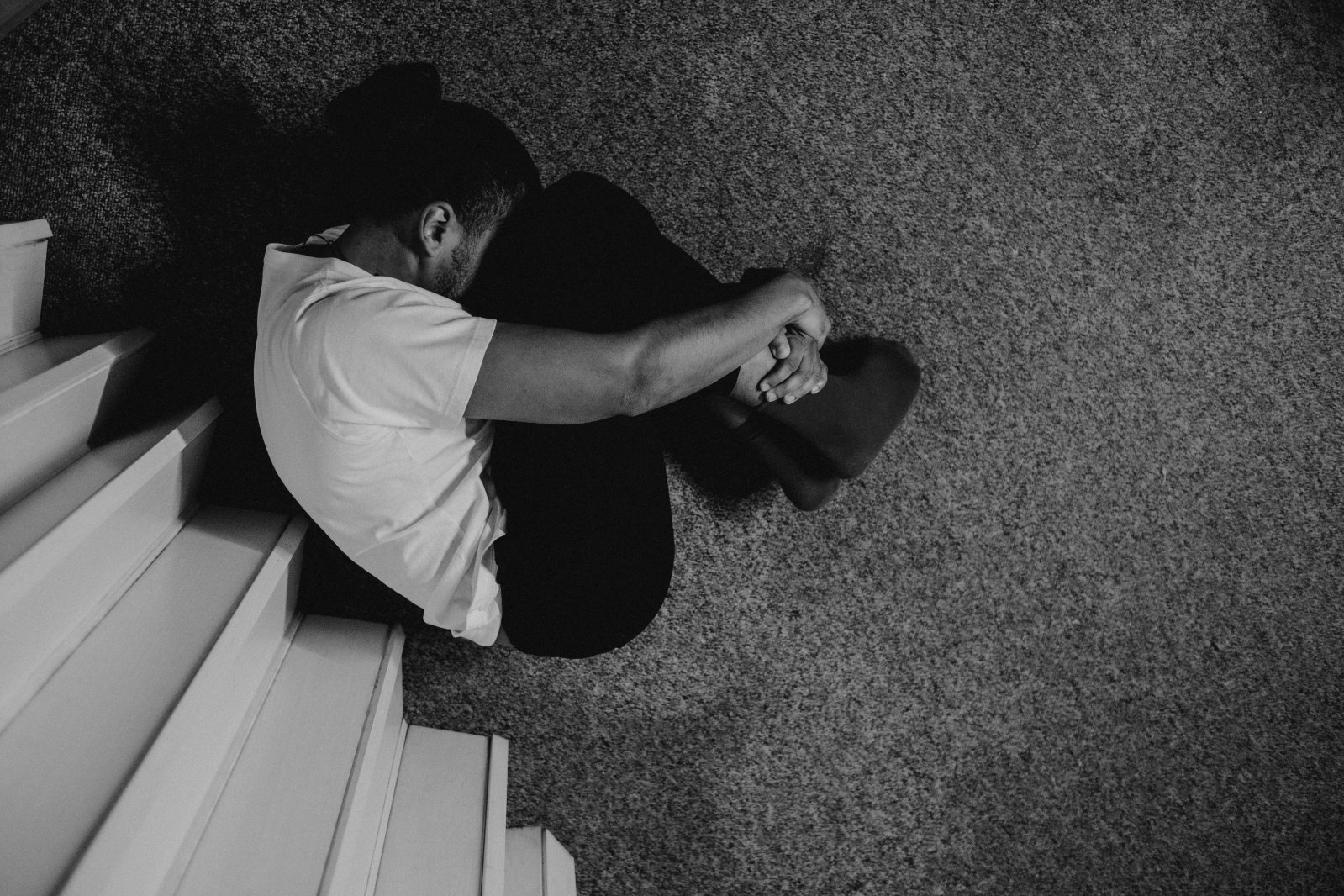
The Ministry of Health defines seasonal affective disorder as a type of depressive disorder whose episodes occur every year during a particular season. It most often begins in autumn and reaches its peak in December–February, although a summer variant also occasionally occurs. The key feature is recurrence, meaning that the condition occurs at the same time for at least two consecutive years and resolves on its own when the seasons change, usually in spring. In other words, this is not simply a bad mood lasting for several days, but a recognized medical condition with a clear seasonal pattern.
Why in Winter Specifically
The mechanism is related to light, since the brain responds to its duration and intensity and accordingly changes the production of a number of substances. In winter, the level of a protein that suppresses serotonin increases, meaning the neurotransmitter that affects mood. At the same time, the level of melatonin, the sleep hormone, increases, which is why sleepiness can persist during the daytime. Circadian rhythms are disrupted, meaning that the internal biological clock becomes misaligned. The result is a vicious cycle in which a person is less active during the day, may fall asleep after lunch, and does not feel tired in the evening and goes to bed later, causing the same situation to repeat the next day.
The Main Difference from Fatigue
There is a simple and effective distinction here. Fatigue goes away after rest, whereas a depressive state does not.
In other words, if after a normal night's sleep, a weekend, or a vacation you feel restored, this is fatigue. If rest does not bring relief for weeks, it is a different situation. It is important to understand that fatigue can also be one of the symptoms of a disorder, so by itself it does not rule anything out, and it is better to consider the overall picture.
What Specialists Pay Attention To
Among the signs described by the Ministry of Health and specialized centers are a persistent low mood for most of the day over a prolonged period, reduced energy levels, exhaustion, problems with attention and concentration, feelings of guilt or worthlessness, increased appetite with overeating, and excessive sleepiness. A loss of interest in things that previously brought pleasure is particularly important, since this symptom distinguishes the condition from ordinary fatigue most clearly. A tired person wants to rest and then return to their favorite activities, whereas here the interest in those activities itself disappears.
Another important criterion is the impact on daily functioning, meaning whether work, studies, household activities, and relationships are affected. The third is duration, since short-term drops in mood are normal, while a persistent state lasting for weeks is not.
What Else Can Cause the Same Symptoms
This is a critically important section because some conditions with similar symptoms are treated in completely different ways. The Ministry of Health and specialized centers explicitly recommend consulting a family doctor to rule out physical causes. These include thyroid disorders, particularly reduced thyroid function, as well as the consequences of previous viral infections. Deficiencies, including iron deficiency, should also be considered, since they can cause fatigue, weakness, and difficulties with concentration. The practical conclusion is that it is worth starting with a family doctor and basic tests, since in some cases the cause turns out to be purely physical and can be resolved through treatment.
The Ukrainian Context
There is something worth mentioning here that is not included in general materials. In autumn and winter, natural factors are accompanied by the circumstances in which we live, including prolonged stress, air-raid alerts, power outages, and the resulting restrictions on normal activity. This makes recognition more difficult because exhaustion may be a consequence of chronic stress rather than a seasonal disorder, and the approaches to these conditions are different. Therefore, it can be difficult to distinguish between these causes independently, which is another argument in favor of consulting a specialist rather than drawing your own conclusions. It is also worth considering that prolonged darkness at home during power outages intensifies precisely the factor underlying seasonal affective disorder, namely a lack of light.
When to Seek Help
It is worth seeking help if the condition lasts for more than two weeks and does not change after rest. If you notice that your usual activities have become significantly more difficult. If you have lost interest in things you previously enjoyed. If your sleep or appetite has changed in either direction. If a similar pattern repeats every year during the same period. And if thoughts about not wanting to live appear, professional help should be sought promptly rather than waiting.
Seasonal affective disorder requires professional supervision, meaning a psychiatrist or a psychotherapist who works with cognitive behavioral therapy. Seeking help does not mean that something is wrong with you. It is the same as going to a doctor with a persistent cough.
What Has an Evidence Base
Light therapy is one of the main methods used for this disorder, and it is recommended in the first half of the day.
An important caution is necessary here. Light-therapy devices have contraindications, including for people with certain eye conditions and for people with bipolar disorder, in whom bright light can trigger worsening symptoms. Therefore, it is worth starting it after consulting a doctor rather than following advice from the internet.
Cognitive behavioral therapy has demonstrated effectiveness specifically for the seasonal variant.
Medication treatment is prescribed exclusively by a doctor, and medications should not be selected independently.
Daylight. A walk during the first half of the day, even in cloudy weather, provides significantly more light than being indoors.
Physical activity is included in the recommendations of specialized institutions.
Social activity, including communication, support groups, and volunteering, is also mentioned among the recommendations.
A sleep schedule with a consistent wake-up time can help stabilize circadian rhythms.
Regarding vitamin D and other supplements, it is worth discussing them with a doctor based on test results rather than taking them independently in large doses.
How to Support Someone Close to You
Do not dismiss the condition with phrases such as “you just need to pull yourself together,” because willpower does not solve the problem by definition. Do not insist on diagnoses; instead, offer to go to a doctor together. Concrete help works better than general words, such as taking a walk together, helping with household tasks, or simply being present. Stay in contact, because isolation can worsen the condition, and a person in this state rarely initiates communication themselves.
Where to Seek Help in Ukraine
A good starting point is a family doctor, who can rule out physical causes and refer you further if necessary.
Psychiatrists and psychotherapists work in public healthcare facilities at no cost under the Medical Guarantees Program, so seeking help does not necessarily involve expenses. There is also a national mental-health program with a platform containing verified information and support-service contacts.
There are also free psychological support services available in Ukraine, including dedicated crisis-support services.
Sources
Ministry of Health of Ukraine, Kharkiv and Kyiv Regional Centers for Disease Control and Prevention, materials from the nationwide mental-health program, publications by ZN.ua, RBC-Ukraine, and MH4U.